
Glass Railing LEED Contribution: What Architects Need to Know
Glass railings contribute to LEED certification across multiple credit categories, making them one of the more strategically useful material choices in a sustainable build. Here is the short version:
- Materials and Resources (MR): Tempered and laminated glass is infinitely recyclable, and hardware sourced from regional suppliers reduces embodied carbon.
- Indoor Environmental Quality (IEQ): Transparent panels maximize daylight penetration and preserve sightlines to outdoor views, both of which are scored under LEED v4’s IEQ credits.
- Energy & Atmosphere (EA): Greater daylight access cuts artificial lighting loads, directly lowering a building’s operational energy demand.
- Low emissions: Glass emits negligible VOCs compared to painted wood or coated metal railings, supporting LEED indoor air quality thresholds.
- LEED v4 alignment: The USGBC’s LEED v4 standards explicitly recognize sustainable material attributes and manufacturing processes as pathways to MR credit achievement.
Table of Contents
- Why LEED certification shapes every material decision you make
- Glass railing materials carry a strong environmental responsibility profile
- VOC emissions from glass railings are minimal compared to alternatives
- How glass railings support LEED Energy & Atmosphere credits
- Indoor environmental quality: what the research shows
- How glass railings compare to alternative railing materials for LEED
- How manufacturing processes affect your LEED point total
- Projects where glass railings contributed to LEED certification
- Glassrailingstore supplies LEED-ready glass railing systems for professional projects
- Key Takeaways
Why LEED Certification Shapes Every Material Decision You Make
LEED, administered by the U.S. Green Building Council (USGBC), is the dominant green building rating system in the United States. Projects earn points across categories like Energy & Atmosphere, Materials and Resources, and Indoor Environmental Quality. Those points determine certification level: Certified, Silver, Gold, or Platinum.
For architects and builders, the practical implication is straightforward. Every specified material either helps or hurts the point total. Railings are often treated as an afterthought, but they touch at least three credit categories simultaneously. Choosing glass over a conventional alternative is not just an aesthetic call.
Key credit categories relevant to railing material selection:
- MR: Building Product Disclosure and Optimization rewards materials with environmental product declarations (EPDs) and recycled content.
- IEQ: Daylight credits require a minimum spatial daylight autonomy across occupied floor areas.
- IEQ: Quality Views credits reward direct sightlines to the outdoors for a defined percentage of regularly occupied spaces.
- EA: Optimize Energy Performance credits reward reductions in lighting energy intensity.
Glass Railing Materials Carry a Strong Environmental Responsibility Profile
Tempered and laminated safety glass is durable, corrosion-resistant, and recyclable without quality loss. That durability matters for LEED because fewer replacements mean less construction waste over a building’s lifecycle.
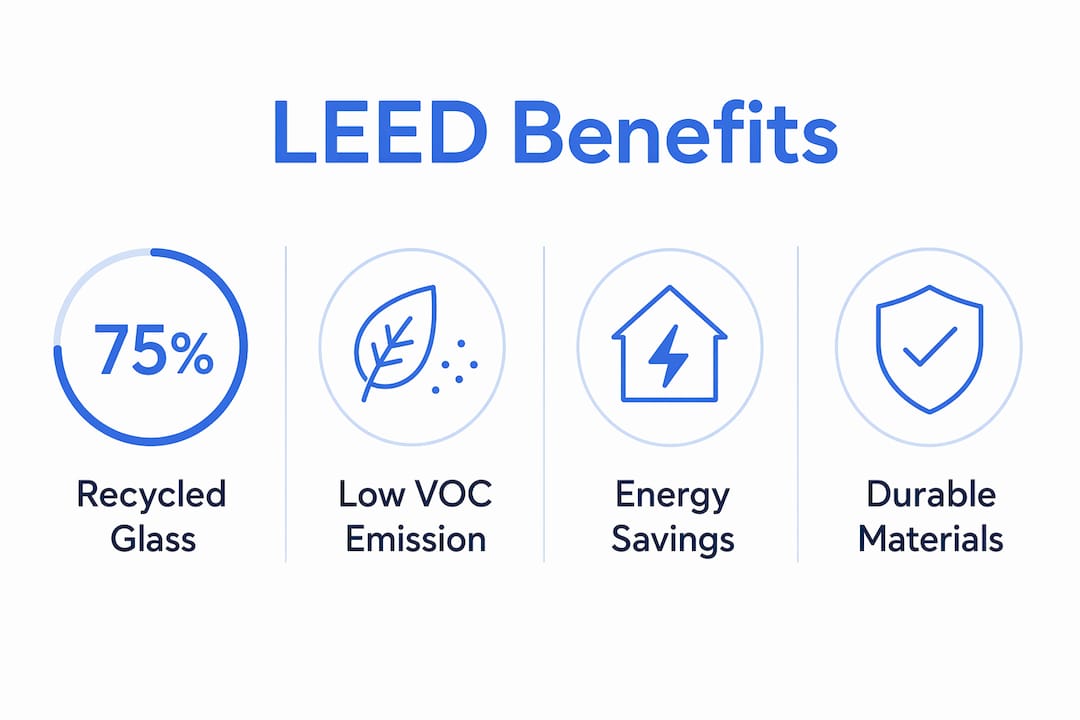
Hardware tells a similar story. Components manufactured from recycled ABS plastic, or sourced closer to the project site, reduce the carbon footprint of the full railing assembly. Marine-grade stainless steel and premium aluminum hardware used in quality glass railing systems also resist corrosion over decades, cutting long-term maintenance and replacement cycles. Architects pursuing eco-friendly frameless glass railings should request Environmental Product Declarations from suppliers to document these attributes for the MR credit submission.
VOC Emissions from Glass Railings Are Minimal Compared to Alternatives
Glass itself is chemically inert. It emits negligible VOCs under normal building conditions, which puts it in a favorable position relative to painted wood railings, powder-coated metals with organic binders, or vinyl systems that off-gas plasticizers over time.
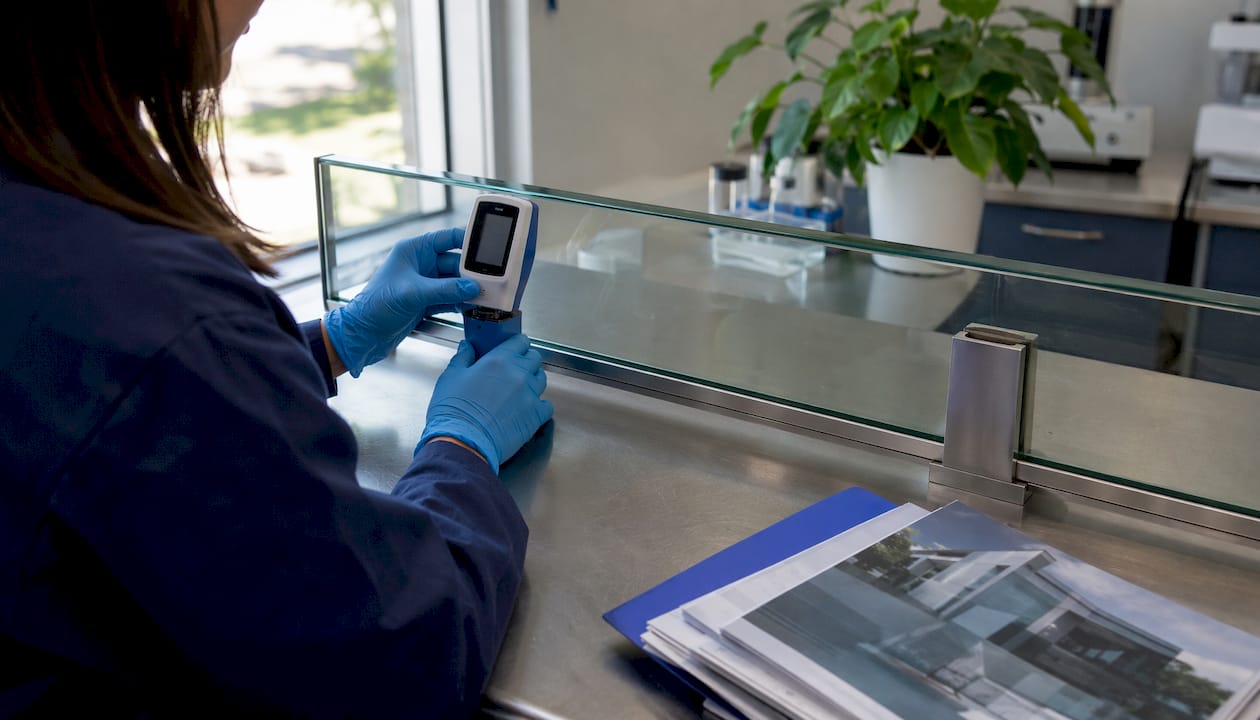
LEED’s IEQ credits for indoor air quality set thresholds for VOC content in adhesives, sealants, and coatings. The glass panels in a railing system contribute almost nothing to that load. The hardware matters too: corrosion-resistant stainless steel and anodized aluminum require no ongoing paint or chemical treatment, keeping the VOC profile flat across the building’s operational life. When specifying sealants at glass-to-frame connections, selecting low-VOC silicone products closes the last gap.
How Glass Railings Support LEED Energy & Atmosphere Credits
The connection between glass railings and energy performance is direct. Opaque guardrails, whether wood, cable with solid posts, or solid metal panels, block light at the perimeter of a floor plate. Glass panels do not. That difference compounds across a building’s occupied hours.
Natural light flow through transparent railing systems reduces dependence on electric lighting, which lowers both energy consumption and peak demand. On stairwells and mezzanines, where opaque railings would otherwise create shadowed zones requiring continuous artificial light, glass panels keep those areas daylit during occupied hours. Some advanced projects integrate photovoltaic glass panels into railing systems, generating on-site renewable energy while maintaining transparency.
Indoor Environmental Quality: What the Research Shows
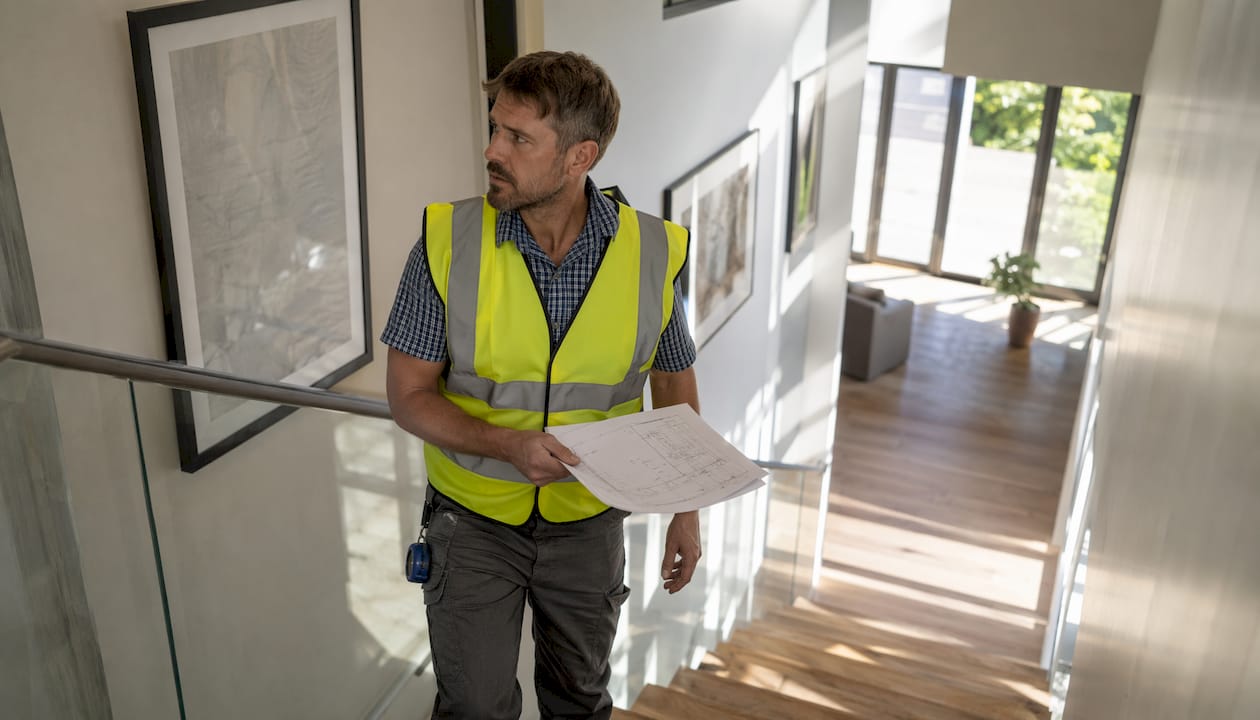
Glass railings contribute to two distinct IEQ credit pathways under LEED v4. First, spatial daylight autonomy: transparent panels at floor edges and stairwells allow daylight to penetrate deeper into floor plates, helping projects meet the minimum illuminance thresholds across a larger percentage of occupied area. Second, quality views: LEED awards credits when a defined percentage of regularly occupied spaces have a direct sightline to the outdoors. Glass railing systems preserve those sightlines where solid alternatives would block them entirely.
Practical design tips for maximizing IEQ credit value:
- Position glass railing runs along south- and east-facing perimeters to capture peak daylight hours.
- Use low-iron glass panels where color neutrality matters for view quality credits.
- Document panel light transmittance values in the LEED submittal.
How Glass Railings Compare to Alternative Railing Materials for LEED
No other common railing material matches glass across all three credit categories simultaneously. Wood railings, even FSC-certified options, require finishes that add VOC load and block daylight entirely. Cable railings preserve views but contribute nothing to daylight depth and require stainless steel hardware with a higher embodied energy profile per linear foot than glass panel systems. Aluminum picket railings are recyclable but opaque, sacrificing the IEQ daylight and view credits that glass captures. For a detailed look at how handrail materials compare on sustainability criteria, the tradeoffs become clear quickly.
How Manufacturing Processes Affect Your LEED Point Total
The tempering process that gives safety glass its strength is energy-intensive, but modern float glass and tempering facilities have reduced that footprint significantly through furnace efficiency improvements and cullet recycling. Cullet, recycled glass fed back into the furnace, can constitute a substantial portion of raw material input, directly supporting MR recycled content credits.
Packaging and shipping practices also factor in. Manufacturers who use recycled cardboard, minimal plastic wrapping, and regional distribution centers reduce the transportation-related emissions attributed to the product. For LEED MR credit documentation, request a manufacturer’s Environmental Product Declaration that covers the full cradle-to-gate scope.
Projects Where Glass Railings Contributed to LEED Certification
Commercial office buildings pursuing Gold or Platinum certification have used glass railing systems on open stairwells and mezzanines specifically to satisfy IEQ daylight credits that would otherwise require expensive skylight additions. In mixed-use residential towers, frameless glass balcony railings have helped projects document quality views credits for a higher percentage of units than would have been possible with solid panel alternatives.
Healthcare facilities, where building code compliance and occupant wellbeing both carry regulatory weight, have specified laminated glass railings in patient corridors to meet LEED IEQ targets while satisfying guard height and impact resistance requirements simultaneously. The dual compliance value, safety code plus LEED credit, makes glass a practical specification choice rather than a premium indulgence.
Glassrailingstore Supplies LEED-Ready Glass Railing Systems for Professional Projects
Architects and builders specifying glass railings for LEED projects need products that come with the documentation to back the credit claims. Glassrailingstore carries tempered glass panels built to U.S. safety standards, paired with marine-grade stainless steel hardware designed for long-term durability with no coatings that add VOC load. The product range covers everything from panels to connectors, with free shipping on orders over $3,000 and direct support for project quoting. Get a quote for your next LEED project at glassrailingstore.com.
Key Takeaways
Glass railings address LEED credits in Materials and Resources, Indoor Environmental Quality, and Energy & Atmosphere simultaneously, making them one of the most credit-efficient railing choices in sustainable construction.
| Point | Details |
|---|---|
| Multi-category LEED coverage | Glass railings contribute to MR, IEQ, and EA credits within a single material specification. |
| Recyclability supports MR credits | Tempered and laminated glass is infinitely recyclable, reducing lifecycle waste and supporting recycled content documentation. |
| Low VOC profile | Glass emits negligible VOCs; stainless steel and anodized aluminum hardware require no ongoing chemical treatment. |
| Daylight and views credits | Clear glass panels preserve sightlines and deepen daylight penetration, directly supporting IEQ spatial daylight autonomy and quality views credits. |
| Glassrailingstore for LEED projects | Glassrailingstore offers tempered glass panels and marine-grade hardware suited to LEED documentation requirements, with project quoting support. |
Recommended
- Why Architects Choose Glass Railings: Expert Insights And Trends – The Glass Railing Store
- Glass Railing Top Rails: Required or Optional? – The Glass Railing Store
- Beyond the View: Exploring the Strength of Modern Glass Railings – The Glass Railing Store
- Glass Railing Structural Integrity: Expert Guide to Safety & Durabilit – The Glass Railing Store