

Glass Panels for Value Enhancement: A Smart Investor's Guide
Most homeowners assume glass panels are a design splurge. They picture sleek decks and upscale showrooms, not measurable returns on investment. That framing leaves a lot of money on the table. Using glass panels for value enhancement is one of the more strategic outdoor upgrades available to property owners today, precisely because the benefits stack. You get aesthetics, energy performance, safety, and curb appeal working together rather than trading off against each other. This guide breaks down what those benefits actually look like in practice, what they cost, and how to make decisions that hold up over time.
Table of Contents
- Key Takeaways
- Glass panels for value enhancement through technology
- Practical benefits beyond looks
- Installation and durability factors
- Selecting and customizing glass panels for your space
- Cost expectations and return on investment
- My take on glass panels as a long-term investment
- Find the right glass panels for your outdoor space
- FAQ
Key Takeaways
| Point | Details |
|---|---|
| Glass panels add layered value | They combine aesthetic appeal, energy savings, and safety into a single upgrade that buyers notice. |
| Technology type matters | Different coatings and panel systems deliver measurable differences in heat control, glare, and UV protection. |
| Installation quality drives ROI | Proper waterproofing and sealing determine long-term performance more than the glass spec alone. |
| Customization affects returns | Matching SHGC and light transmittance to your climate and use case maximizes comfort and resale appeal. |
| Integration multiplies impact | Pairing glass panels with landscaping and entry improvements can push resale value uplift well past 10%. |
Glass panels for value enhancement through technology
Not all glass panels perform equally. The difference between a basic tempered panel and a high-performance vacuum insulating system is not just cosmetic. It shows up in your energy bills, in the comfort of your outdoor and indoor spaces, and eventually in your appraisal.
Vacuum insulating glass, such as the OKALUX HPI system, delivers some of the most dramatic thermal performance available. Ug-values range from 0.11 to 0.35 W/(m²K), which means these panels lose heat at a fraction of the rate of conventional double-glazed glass. That matters for any exterior application where temperature differential is an issue, from balconies in cold climates to sun-drenched pool enclosures.
Light-diffusing insulating glass takes a different approach. Instead of maximizing raw insulation, it manages how sunlight enters a space. SHGC ranges from roughly 20 to 45% depending on the glazing type, which means you can control how much solar heat gain occurs without blocking daylight entirely. This is particularly useful for south or west-facing outdoor rooms where summer afternoons would otherwise be unusable.
Low-e coatings add another layer of control. Passive coatings maximize solar heat gain for colder climates, while solar-control coatings limit it for warmer ones. The right choice depends on your location and how the space is oriented. Selecting the wrong coating is one of the more common and expensive mistakes homeowners make.
Here is a comparison of common glass panel technologies to help frame your choices:
| Technology | Ug-Value (W/m²K) | SHGC Range | VLT Range | Best Use Case |
|---|---|---|---|---|
| Standard double-glazed | ~1.1 to 1.4 | 0.3 to 0.6 | 50 to 70% | General residential use |
| Vacuum insulating (HPI type) | 0.11 to 0.35 | Varies by build | Varies | Cold climates, slim profiles |
| Light-diffusing insulating (EVO type) | 0.5 to 0.8 | 0.20 to 0.45 | 21 to 43% | Glare-heavy or sun-facing spaces |
| Low-e coated double-glazed | 0.6 to 1.0 | 0.2 to 0.6 | 40 to 70% | Most outdoor applications |
Pro Tip: If you are comparing bids from installers, ask each one to specify the Ug-value and SHGC of the glass they are proposing. Installers who cannot provide these numbers are likely quoting commodity glass, not performance glass.
Practical benefits beyond looks
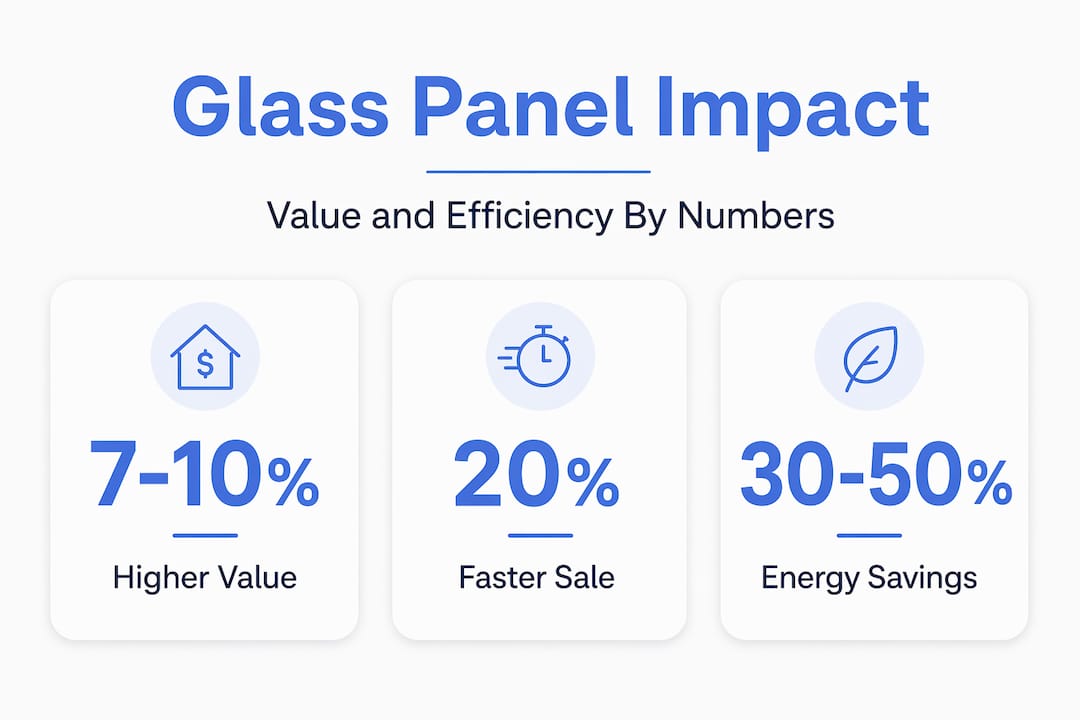
The glass panel installation benefits that actually move your property’s market value go deeper than a nice photo for your listing. Buyers in 2026 pay attention to operating costs, and improving window thermal performance reduces heating and cooling energy by 30 to 50%. That reduction translates directly to lower monthly costs, which is a tangible selling point.
Exterior curb appeal improvements raise home resale value by 5 to 15%, particularly when the upgrades center on entry areas and visible outdoor spaces. Glass panels deliver exactly that. They are visually distinctive, they signal quality to prospective buyers, and they make outdoor living spaces feel finished rather than functional.
Here are the core value drivers to keep in mind:
- Energy savings: High-performance glass panels reduce heating and cooling loads year-round, directly lowering operating costs that buyers factor into offers.
- Safety and code compliance: Tempered glass panels are engineered to meet strict load and impact standards. The tempered glass safety benefits include resistance to breakage and controlled fragmentation if impact does occur.
- Resale appeal: Glass installations read as premium upgrades. Buyers associate them with thoughtful, high-quality construction.
- Curb appeal multiplier: Glass panels on decks, balconies, and pool enclosures create visual openness that makes properties feel larger and better maintained.
Impact windows can add 7 to 10% to home value and accelerate sales timelines by roughly 20%. Glass panels for outdoor railings and barriers operate in the same value territory, especially when combined with other exterior upgrades.
Pro Tip: Do not install glass panels in isolation. Pair them with updated lighting and clean landscaping at the same time. A glass railing surrounded by overgrown shrubs and dim lighting loses much of its visual impact on buyers.
Installation and durability factors
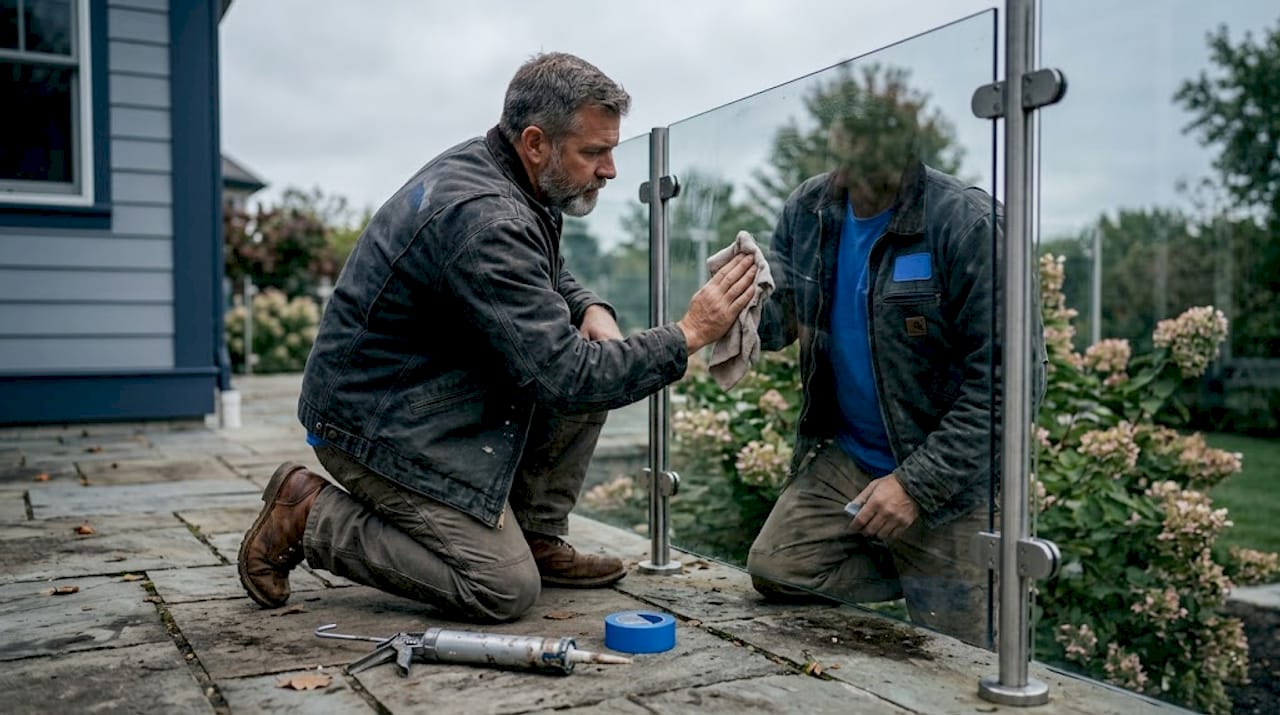
Here is where most property guides go quiet. They will tell you to buy good glass but skip over the fact that a premium panel installed poorly performs worse than a mid-range panel installed correctly. Waterproofing, sealing, and controlled air barriers are the factors that determine whether your investment holds up over five or fifteen years.
Water infiltration behind glass panels is silent and slow. By the time it becomes visible, it has usually compromised the surrounding structure. Proper flashing and air barrier integration at every junction point is not optional. Ask any installer you are evaluating to walk you through their moisture management approach. A vague answer is a red flag.
Maintenance expectations also differ by system type. Cavity-mounted insulation panels enable maintenance-free glazing performance, but the exterior frame and any exposed hardware still require periodic inspection. If an installer claims a system is completely maintenance-free, including frames and seals, push back. That claim rarely survives real-world conditions.
When evaluating installers and systems, watch for these quality indicators:
- Written specification of glass performance values, not just product names
- Documented waterproofing and flashing plan for the specific installation
- References from projects with at least three to five years of service
- Familiarity with local building codes and load requirements for glass railings
- Clear warranty terms that cover both product and labor
For deeper guidance on glass railing durability, the details matter as much as the materials.
Selecting and customizing glass panels for your space
Choosing glass panels is not just about picking a thickness or a frame color. Customizing glazing properties such as SHGC and light transmittance is what separates a glass installation that works from one that just looks good in the brochure.
Start with your climate and sun orientation. A deck facing west in a warm climate needs low SHGC glass to prevent heat buildup in the afternoon. That same spec on a north-facing balcony in Minnesota would make the space feel cold and dim. There is no universal right answer, which is exactly why this decision deserves more than a default product selection.
Beyond thermal performance, customization options include:
- Privacy gradients: Frosted, etched, or tinted glass for pool fences and ground-level installations
- Print inserts: Custom patterns or colors embedded inside the panel cavity
- Panel dimensions: Custom sizing to match non-standard rail heights and span distances
- Frame finish: Powder-coated or brushed stainless steel to match existing hardware
Here is how common customization choices affect value:
| Customization Feature | Value Impact | Best Application |
|---|---|---|
| Low-e coating | High: energy savings, comfort | All climates, especially sun-facing |
| Privacy frosting | Moderate: adds usability | Pool areas, street-facing spaces |
| Custom dimensions | High: professional finish | Non-standard decks, staircases |
| Decorative print insert | Low to moderate: niche appeal | Feature walls, entryways |
| Marine-grade hardware | High: durability signal to buyers | Coastal or high-humidity locations |
Matching glazing to climate and daylight goals is the most overlooked step in the selection process, and it is also the one with the greatest payoff in long-term comfort and value retention. You can read more about how glass fencing elevates landscaping design to see how the selection decisions play out in real outdoor settings.
Cost expectations and return on investment
Glass panel installations for outdoor spaces typically range from $150 to $600 per linear foot installed, depending on the panel type, hardware specification, and complexity of the project. Frameless systems with high-performance glass sit at the top of that range. Standard tempered panel systems with post-mounted hardware fall closer to the lower end.
Here is how to think about the return on that investment:
- Energy cost reduction: High-performance glass can cut heating and cooling costs by 30 to 50%, which compounds over the life of the installation.
- Resale value uplift: Curb appeal upgrades yield 5 to 15% increases in resale value, with glass panel systems squarely in that category.
- Landscaping amplification: Well-maintained outdoor upgrades combined with landscaping boost perceived value by 5.5 to 12.7%, often exceeding 15% when the package is cohesive.
- Sale speed: Properties with premium exterior finishes tend to spend fewer days on market, which has real financial value even when the sale price is only modestly higher.
The strongest ROI comes from integrating glass panels into a broader exterior refresh rather than installing them as a standalone feature. Updated entry lighting, clean plantings, and a consistent finish on hardware and trim transform a good upgrade into a great one.
My take on glass panels as a long-term investment
I have watched homeowners make two opposite mistakes. The first group buys the most expensive glass they can find and then cuts corners on installation. The second group hires a great installer and settles for commodity glass because they want to save on materials. Both end up with results that underperform what they paid for.
In my experience, the single factor that separates a glass panel investment that holds its value from one that creates problems is installation integrity. Not the brand of glass, not the frame color, not the design. The sealing, the flashing, and the air barrier details. I have seen properties with mid-range panels that look and perform beautifully after a decade because the installer treated every joint like it mattered. And I have seen premium systems fail within three years because nobody thought carefully about water management.
The other thing most investors overlook is the planning integration piece. Glass panels combined with updated landscaping and entry lighting do not just add their individual values together. The combination creates a perception of quality that exceeds the sum of its parts. That is where the curb appeal and property value research becomes tangible rather than theoretical.
My honest advice: spend at least as much time vetting your installer as you do selecting your glass. Demand performance specs in writing, ask for waterproofing plans, and check references from projects that are old enough to have been tested by weather. The glass is the visible part. The installation is what actually protects your investment.
— Fuanne
Find the right glass panels for your outdoor space
If you are ready to move from research to decisions, Glassrailingstore offers a full selection of tempered glass panel systems built for outdoor applications, from deck railings to pool fences to balcony barriers. Every panel is engineered to meet safety standards and designed to hold its performance over years of real-world use.
Whether you need a 46" tempered glass panel for a standard deck application or a 60" panel for a taller enclosure, the options are customizable to your specific project. Glassrailingstore also provides detailed building code compliance resources so you can confirm your installation meets local requirements before you begin. Reach out for a quote and bring the specifics of your space. The right glass panel system starts with the right plan.
FAQ
1. Do glass panels actually increase home resale value?
Yes. Exterior glass panel installations contribute to curb appeal improvements that typically raise resale value by 5 to 15%, according to Opendoor’s market research. The combination of visual appeal, safety features, and energy performance makes them a strong signal of quality to buyers.
2. What glass panel type is best for outdoor decks and balconies?
Tempered safety glass with low-e coating is the standard choice for most outdoor deck and balcony applications. It handles impact loads, manages heat transfer, and requires less maintenance than standard glass in exposed exterior conditions.
3. How do I know if my installer is qualified for glass panel installation?
Ask for their waterproofing and flashing plan in writing, request references from completed projects at least three to five years old, and confirm they can specify the Ug-value and SHGC of the glass they are proposing. Qualified installers answer these questions without hesitation.
4. Can glass panels help with energy efficiency in outdoor spaces?
High-performance glass panels with proper thermal coatings can reduce heating and cooling energy use by 30 to 50%, making enclosed or semi-enclosed outdoor spaces significantly more comfortable and less expensive to condition year-round.
5. How much does a glass panel installation typically cost?
Most outdoor glass panel installations run between $150 and $600 per linear foot installed, depending on the glass spec, hardware type, and project complexity. Frameless high-performance systems sit at the top of that range, while standard tempered systems with post-mounted hardware are more accessible in price.
Recommended
- Boost curb appeal and value with glass railings – The Glass Railing Store
- How glass railings boost property value and appeal – The Glass Railing Store
- Glass railing durability: Build it right, build it to last – The Glass Railing Store
- Tempered glass advantages: enhance safety and design outdoors – The Glass Railing Store