

Modern Deck Enhancement Ideas for a Stylish 2026 Outdoor Space
Modern deck enhancement ideas are design choices and upgrades that increase the style, usability, and comfort of outdoor decks, turning them into true extensions of the home. The best upgrades in 2026 combine multi-level layouts, sleek glass or cable railings, integrated LED lighting, and layered textures to create spaces that work year-round. Homeowners who treat their decks as outdoor rooms rather than afterthoughts get far more value from every dollar spent. This guide covers the most effective contemporary outdoor upgrades, with practical advice on materials, planning, and design choices that hold up over time.
1. Modern Deck Enhancement Ideas Start with Multi-Level Layouts
Multi-level deck designs are the defining structural trend of 2026. They divide a single flat surface into distinct zones for dining, lounging, and cooking, which makes the space feel larger and more purposeful.
A flat deck forces every activity into the same area. A two or three-level layout solves that problem by giving each zone its own identity. The dining area sits at one level, the lounge chairs drop to another, and the grill station occupies a third. Each zone functions independently without crowding the others.
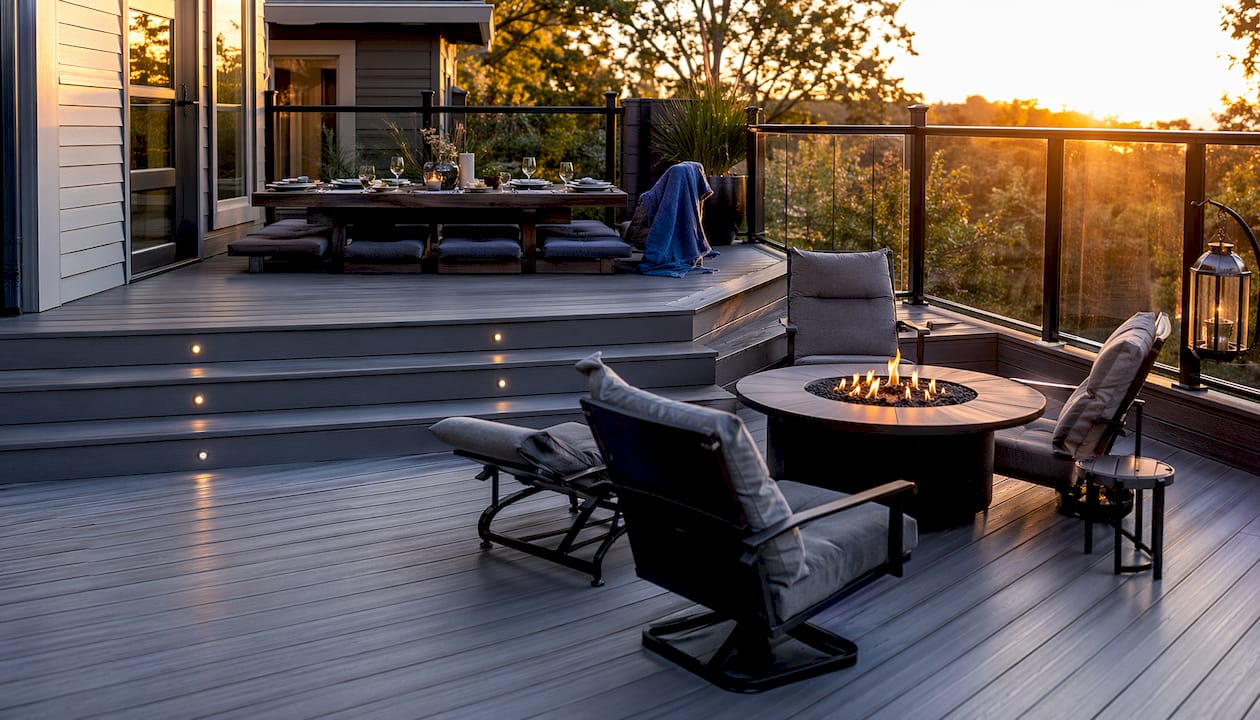
Multi-level builds also make sloped yards an asset rather than a problem. Instead of leveling the ground, you step the deck down with the grade. That approach saves on fill material and creates natural visual interest.
Benefits of a multi-level deck layout:
- Separates high-traffic cooking zones from relaxed seating areas
- Creates natural privacy between zones without walls or screens
- Supports future additions like pergolas, outdoor kitchens, or hot tubs on dedicated platforms
- Works with natural slope to reduce excavation costs
Pro Tip: Plan your traffic flow before you frame a single board. The path from the kitchen door to the grill and from the grill to the dining table should never cross through the lounge zone. Sketch it on paper first.
2. Upgrading Railings with Cable and Glass Systems
Cable and glass railing systems are the top railing upgrade for modern decks in 2026. They replace bulky wooden balusters with thin stainless steel cables or clear tempered glass panels, preserving sightlines and creating a clean, minimal look.
The functional difference is immediate. A traditional wood railing blocks the view from your chair. A glass panel disappears visually, so the yard, the water, or the tree line becomes part of the deck experience. That unobstructed view is the single biggest reason homeowners make the switch.
Glass railing systems also comply with current building codes when installed correctly. Tempered safety glass panels meet load requirements, and marine-grade stainless steel hardware resists corrosion in wet or coastal environments. Glassrailingstore supplies both frameless and semi-frameless systems built to these standards.
What to consider when choosing a railing system:
- Glass panels offer the clearest view and a frameless look; pair them with matte black or brushed stainless connectors for a contemporary finish
- Cable railings cost less per linear foot and suit a more industrial or coastal aesthetic
- Post spacing and height must meet local code requirements, typically 36 or 42 inches depending on deck height above grade
- Hardware finish should match other metal elements on the deck, such as light fixtures and door hardware
Pairing dark composite decking with a frameless glass railing and black metal post caps is one of the most requested combinations in 2026 deck remodeling. The contrast between the dark floor and the clear panels reads as intentional and polished. For design guidance, Glassrailingstore’s article on glass railings for decks covers material pairings in detail.
Homeowners planning a corner layout can also reference how to design a better view from every seat, which addresses panel placement for maximum sightline coverage. For modern handrail materials across different build types, Glassrailingstore’s 2026 guide covers cable, glass, and aluminum options side by side.
3. Integrating LED Lighting for Safety and Ambiance
Integrated LED lighting is no longer optional on a modern deck. Post-cap lights, stair riser lights, and under-rail strip lights extend usability after dark and define the deck’s atmosphere in a way that no furniture arrangement can match.
The practical case is straightforward. A deck without lighting is unusable after sunset for most of the year. Add stair riser lights and you eliminate a trip hazard. Add post-cap lights and you define the perimeter. Add under-rail strips and you create a warm glow that makes the space feel intentional rather than improvised.
Smart LED systems allow app-controlled customization, so you can dim the lights for a dinner party and brighten them for a family gathering without touching a switch. Energy-efficient LED fixtures draw a fraction of the power that older halogen or incandescent outdoor lights consumed.
Types of deck lighting and their best uses:
- Post-cap lights: Define the deck boundary and provide general ambient light
- Stair riser lights: Improve safety on multi-level decks and add visual depth
- Under-rail strip lights: Create a floating effect and highlight the railing line
- Recessed deck lights: Flush-mounted into the decking surface for a clean, unobtrusive look
- String lights on pergolas: Add warmth and a social atmosphere to covered zones
Pro Tip: Plan electrical runs before the decking boards go down. Running conduit after installation means cutting into finished boards, which damages the surface and adds labor cost. Rough in every circuit during framing.
4. Choosing the Best Materials for a Low-Maintenance Deck
Composite decking dominates 2026 material choices because it combines the look of natural wood with resistance to rot, fading, and moisture. Homeowners who switch from pressure-treated pine to composite report a dramatic reduction in annual maintenance time.
Natural wood decks require annual sealing or staining to prevent moisture damage. Composite boards need only occasional cleaning with soap and water. That difference compounds over a decade into hundreds of hours saved and thousands of dollars not spent on refinishing.
The visual range of composite materials has also expanded. Current products replicate the grain and color variation of cedar, teak, and redwood convincingly. Pairing a warm-toned composite board with a frameless glass railing and natural stone accents creates a layered material palette that reads as high-end without requiring exotic sourcing.
For homeowners who want to visualize material combinations before committing, 3D rendering tools now allow architects and contractors to model deck surfaces, railing systems, and lighting in photorealistic detail. That preview step prevents expensive material mismatches.
5. Adding Layered Textures and Décor for a Luxury Feel
Layered textures and minimalist focal points create a premium deck atmosphere without structural changes. An outdoor rug, a fire table, and two large planters can transform a plain deck into a space that feels designed rather than assembled.
The key is restraint. One large statement piece, such as a concrete fire table or an oversized ceramic planter, anchors the zone. Surrounding furniture stays simple and low-profile. That contrast between one bold element and clean surroundings is what reads as luxury rather than clutter.
Minimalist aesthetics with neutral palettes and matte black metal accents define the most requested deck decor ideas of 2026. Charcoal gray composite decking, black powder-coated furniture frames, and white or cream cushions create a palette that photographs well and ages gracefully.
Deck decor upgrades that deliver the most visual impact:
- Outdoor rugs in natural fibers or UV-resistant synthetics to define seating zones
- Fire tables as a centerpiece that extends the season into cooler months
- Large planters with ornamental grasses or dwarf trees to add vertical interest
- Throw pillows and cushions in weather-resistant fabrics to add color without painting
- Wall-mounted planters or vertical gardens to use fence or privacy screen surfaces
Modern homeowners treat outdoor decks as year-round living spaces, not seasonal add-ons. Features like covered deck sections, outdoor heaters, and weather-resistant textiles support that extended use. Investing in quality outdoor fabrics and materials upfront prevents the annual replacement cycle that cheaper options create.
6. Inspecting the Structure Before Any Cosmetic Upgrade
Inspecting ledger boards, joists, and footings before any enhancement is the step most homeowners skip and later regret. Hidden rot in a ledger board or a cracked footing can make a cosmetic upgrade worthless if the structure beneath it fails.
A professional inspection costs a fraction of what a rebuild costs. The inspector checks the ledger connection to the house, the condition of each joist, and whether the footings have shifted or cracked. If the framing passes, you can proceed with confidence. If it does not, you know before you spend money on new decking or railings.
This step also reveals whether the existing structure can support additions like a pergola, an outdoor kitchen, or a hot tub. Each of those features adds significant dead load. Knowing the framing capacity before you design saves redesign costs later.
Key Takeaways
The most effective deck upgrades in 2026 combine structural planning, material quality, and layered design to create outdoor spaces that function as well as they look.
| Point | Details |
|---|---|
| Inspect structure first | Check joists, ledger boards, and footings before spending on cosmetic upgrades. |
| Multi-level layouts maximize function | Separate zones for dining, lounging, and cooking make decks more usable and visually interesting. |
| Glass railings preserve views | Frameless tempered glass panels maintain sightlines and meet current building codes. |
| Plan lighting during framing | Running electrical conduit before decking boards go down prevents costly retrofits. |
| Layered decor creates luxury | One statement piece plus a neutral palette delivers a high-end look without structural changes. |
What I’ve Learned from Watching Deck Upgrades Go Wrong
Most deck projects fail at the planning stage, not the build stage. Homeowners get excited about a new composite surface or a glass railing and skip the structural inspection. Six months later, they are pulling up brand-new boards to fix a rotted joist that was visible from day one.
The second mistake I see constantly is treating lighting as an afterthought. Homeowners finish the deck, love it for a summer, then realize they cannot use it after 8 PM. Running conduit after the fact means cutting into finished decking. That repair always costs more than planning the electrical layout during framing would have.
The upgrade that surprises people most is the railing swap. Homeowners expect the glass panels to feel fragile or temporary. Instead, they find that tempered glass panels are rigid, quiet in wind, and dramatically change how the yard feels from inside the house. The view from the kitchen window improves as much as the view from the deck itself.
My honest recommendation: pick one structural upgrade, one material upgrade, and one decor layer per project phase. Trying to do everything at once leads to budget overruns and decisions made under pressure. A multi-level layout this year, a glass railing next spring, and layered lighting the following fall produces a better result than rushing all three into a single weekend.
— Fuanne
Quality Glass Railing Products for Your Deck Project
Glassrailingstore carries the components that make a glass railing system work as well as it looks. The 46" tempered glass panel is built for residential deck applications, meeting safety standards with clear, frameless panels that hold their clarity over years of outdoor exposure.

For custom layouts, the 90-degree corner connector and the wall connector handle the transitions that most deck perimeters require. Glassrailingstore also offers square caprail straight connectors for a finished top rail that ties the system together. Free shipping applies on orders over $3,000, and the team provides quotes and planning support for both DIY and contractor projects.
FAQs
1. What are the best materials for a modern deck in 2026?
Composite decking is the top choice in 2026 for its durability, low maintenance, and realistic wood appearance. Pair it with tempered glass or cable railings and marine-grade stainless steel hardware for a complete contemporary look.
2. Do glass railings meet building code requirements?
Yes. Tempered safety glass panels meet residential building code load requirements when installed with properly spaced posts and code-compliant hardware. Always verify local height and load specifications before installation.
3. How do I add lighting to an existing deck without tearing up the boards?
Surface-mounted conduit, post-cap lights, and plug-in LED strip lights are the cleanest retrofit options. For a fully integrated look, plan electrical runs during any future decking replacement.
4. What is the easiest deck decor upgrade for a luxury look?
One large statement piece, such as a concrete fire table or an oversized planter, paired with a neutral furniture palette delivers the most visual impact with the least structural work.
5. How much does a glass railing system cost compared to wood?
Glass railing systems carry a higher upfront cost than wood balusters, but they require no painting, staining, or rot repair over time. The long-term maintenance savings close most of the price gap within five to seven years.
Recommended
- Decks With Glass Panels: Designing Outdoor Spaces for Every Season – The Glass Railing Store
- Deck With Glass Railings: How to Design a Better View From Every Seat – The Glass Railing Store
- Glass Deck Rails for Flexible Outdoor Living Spaces – The Glass Railing Store
- Patio With Glass Railing Ideas for a More Functional Backyard – The Glass Railing Store