

How Glass Improves Views: A Homeowner's Guide
Glass improves views by maximizing visible light transmission and eliminating the visual barriers that traditional railings, walls, and frames create between you and your outdoor surroundings. The industry term for this effect is optical clarity, and it depends on specific glass properties rather than simply installing more glass. Whether you’re upgrading a deck, balcony, or living room window, understanding how glass characteristics and installation types work together will help you make choices that genuinely transform your connection to the outdoors.
How glass improves views through light transmission and clarity
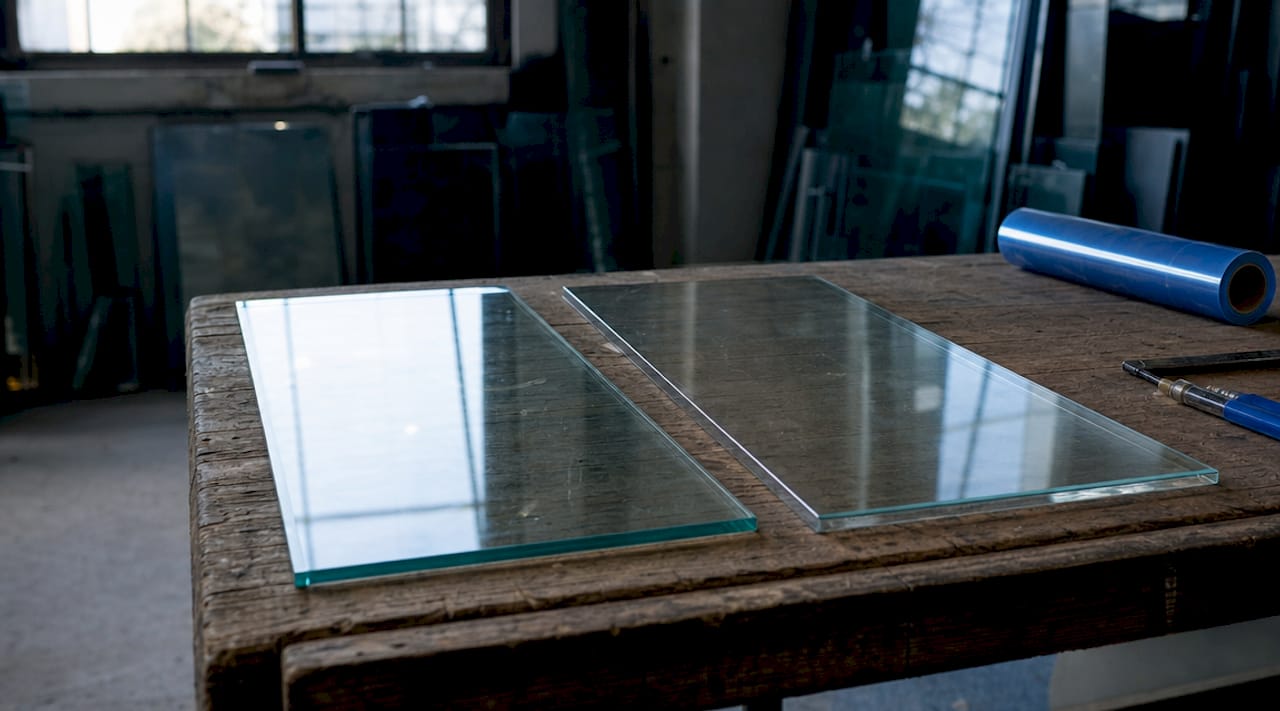
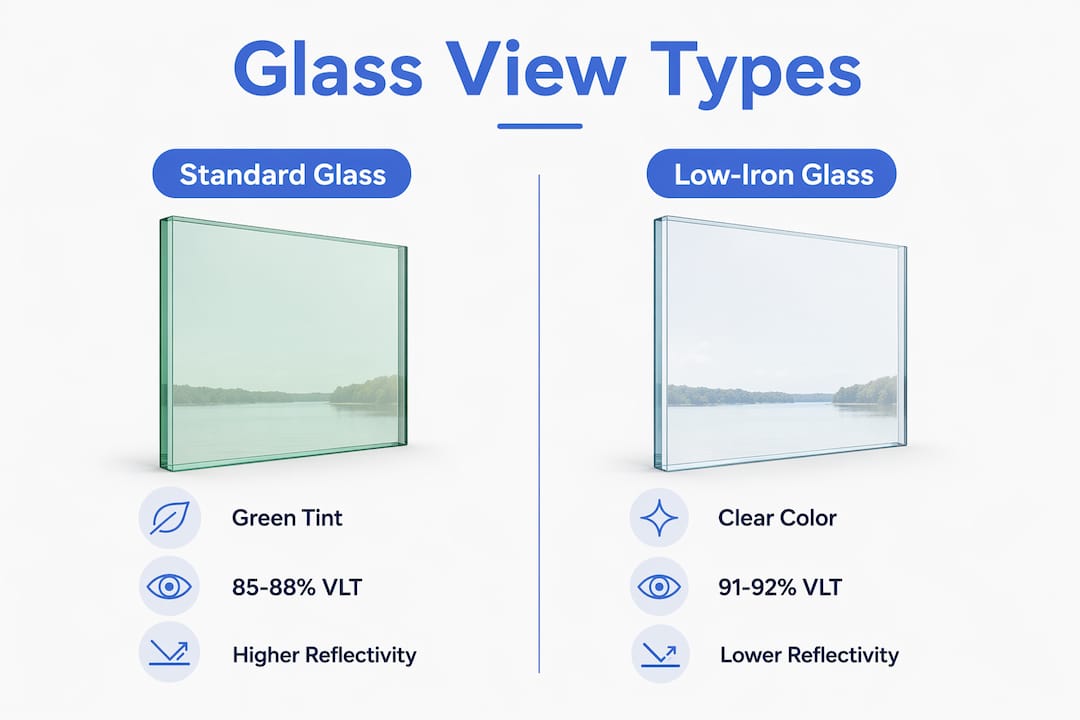
The single most important property affecting how well you see through glass is visible light transmission, or VLT. Standard float glass transmits 85 to 88% of visible light, while low-iron glass transmits 91 to 92%. That 4 to 7 percentage point difference is more significant than it sounds. In a large glass panel spanning a deck or balcony, it translates to noticeably brighter, sharper views with truer color rendering.
The reason standard glass falls short is iron content. Iron impurities in standard glass cause a green tint that distorts color accuracy, most visible at the edges of thick panels or multi-pane units. Low-iron glass is manufactured with under 0.01% iron oxide compared to roughly 0.1% in standard glass. The result is a panel that reads as genuinely clear rather than slightly green-tinged, which matters most when you’re looking through glass at a garden, water feature, or mountain range.
Reflectivity is the second major factor. During the day, glass appears transparent because exterior light is stronger than interior light. At night, that balance reverses, and interior lighting causes glass to behave like a mirror, blocking your outdoor view entirely. Low-reflectivity coatings address this directly by reducing the amount of light bounced back from the interior surface.
UV blocking adds another layer of performance. Laminated architectural glass blocks over 99% of UV radiation while maintaining wide, clear views. This protects interior furnishings from fading without any visible tint or reduction in daylight quality. For homeowners with south-facing rooms or large glazed areas, this is a practical benefit that pays off over years of use.
Standard float glass vs. low-iron glass: a quick comparison
| Property | Standard float glass | Low-iron glass |
|---|---|---|
| Visible light transmission | 85–88% | 91–92% |
| Color rendering | Slight green tint | True, neutral color |
| Best use case | Interior partitions, low-visibility areas | Balconies, picture windows, pool fences |
| Cost premium | Baseline | Approximately 15–25% higher |
Pro Tip: If you’re installing glass panels thicker than 10mm or using double-pane units, the green tint from standard glass becomes significantly more visible. Low-iron glass is worth the upgrade in any high-visibility application.
What glass installation types do the most for outdoor views?
The glass type matters, but so does how it’s installed. Frameless glass balustrades are the most effective installation for maximizing outdoor views on decks, balconies, and terraces. Frameless glass balustrades provide safety without bulky frames, enabling unobstructed sightlines and increasing perceived space by allowing natural light to flow freely. A traditional metal or wood railing cuts your view into horizontal and vertical segments. A frameless glass panel removes that segmentation entirely.
Large glass panels with minimal framing follow the same principle at a bigger scale. Floor-to-ceiling picture windows and sliding glass walls dissolve the boundary between your interior and the landscape beyond. The impact of glass on scenery perception is most dramatic when the framing disappears and the view becomes the wall. Architects working on high-end residential projects have used this principle for decades, but it’s now accessible to homeowners through off-the-shelf glass railing systems and large-format glazing products.
Safety standards don’t require you to sacrifice clarity. Tempered safety glass, which is the standard for railings and balustrades, is four to five times stronger than standard glass at the same thickness. You can explore the design benefits of tempered glass in outdoor applications without worrying that structural performance comes at the cost of optical quality. Building codes in most U.S. jurisdictions require tempered or laminated glass for railing applications, and both options are available in low-iron formulations.
Key installation types that maximize views and natural light:
- Frameless glass balustrades on decks and balconies: no posts, no horizontal rails, full sightline from floor to top of panel
- Semi-frameless systems with minimal stainless steel hardware: a middle ground between full frameless and traditional post-and-rail
- Large picture windows with thermally broken aluminum frames: maximizes glass area while managing heat gain
- Glass pool fences: maintains safety compliance while keeping the pool visually connected to the surrounding yard
Pro Tip: For deck railings, the panel height matters as much as the glass type. A 42-inch panel at eye level when seated gives you a full view of the yard. A 36-inch panel may leave the top of the frame cutting across your sightline when you’re standing.
What are the trade-offs when using glass to improve views?
Glass is not a perfect material, and understanding its limitations helps you plan around them rather than be surprised by them.
The four main challenges and how to address them:
-
Green tint from iron content. Standard glass introduces a green cast that worsens with thickness. The fix is low-iron glass, which eliminates the tint at a cost premium of roughly 15 to 25% over standard glass. For a typical residential balcony or deck railing project, that premium is worth absorbing.
-
Nighttime reflectivity. When interior lights are on after dark, glass surfaces reflect interior lighting and behave like mirrors, cutting off your view of the outdoors. Solutions include low-reflectivity coatings on the interior glass surface, strategic placement of interior lighting (indirect and lower-level sources reduce the mirror effect), and dimmer systems that let you lower interior brightness when you want to see outside.
-
Bird collision risk. Transparent glass is invisible to birds, and large glass installations significantly increase collision risk. Fritted glass or patterned films reduce bird collisions while maintaining human views. Fritting adds a ceramic dot or line pattern to the glass surface at a spacing that birds perceive as a barrier but humans read as transparent. This is a design factor most homeowners don’t consider until after installation.
- Thermal performance. Large glass areas gain heat in summer and lose it in winter. Double-pane insulated glass units (IGUs) with low-emissivity (low-e) coatings address this directly. Modern glass with environmental controls maintains thermal efficiency while preserving clear, expansive views. The trade-off is that some low-e coatings add a slight tint, so specifying a high-VLT low-e product is important when optical clarity is the priority.
Additional considerations worth noting:
- Cleaning frequency increases with large glass surfaces, particularly in coastal or dusty environments
- Privacy is reduced with fully transparent glass; frosted or tinted sections can be incorporated into designs where needed
- Condensation on exterior surfaces is normal with high-performance glass and does not indicate a defect
How to select the right glass for your view goals and budget
Choosing glass for view improvement comes down to three decisions: glass type, installation format, and coatings. Each decision affects both performance and cost.
Glass type selection:
- Choose low-iron glass for any application where the panel is thicker than 10mm, faces a valued view, or is part of a multi-pane unit. The color accuracy improvement is visible and worth the premium.
- Standard float glass works for interior partitions, utility areas, and applications where view quality is secondary to cost.
- Laminated glass is the right choice where both UV protection and safety are priorities, such as overhead glazing or pool enclosures.
Installation format:
- Frameless balustrades deliver the best view-to-cost ratio for decks and balconies. They remove more visual obstruction than any other railing type and are available in DIY-friendly systems.
- Large picture windows require professional installation but offer the most dramatic indoor-outdoor connection for living spaces.
- For homeowners considering how glass railings add value to a property, frameless systems consistently outperform traditional railings in buyer perception and resale appeal.
Coatings and performance upgrades:
- Low-e coatings for thermal performance: specify high-VLT versions to avoid tint
- Anti-reflective coatings for nighttime view quality: most effective on interior-facing surfaces
- Fritted patterns for bird safety: specify 2-inch spacing or less for effective collision deterrence
Larger glass surfaces do not automatically produce better rooms. Successful designs balance light, thermal comfort, and privacy to optimize perception and livability. A well-specified 36-inch frameless glass railing panel in low-iron tempered glass will outperform a larger installation in standard glass every time.
Key takeaways
Glass improves views most effectively when low-iron formulations, frameless installation formats, and low-reflectivity coatings are combined to maximize visible light transmission and eliminate visual obstructions.
| Point | Details |
|---|---|
| Low-iron glass is the baseline upgrade | It transmits 91 to 92% of visible light and eliminates the green tint that distorts color in standard glass. |
| Frameless installations remove the most obstruction | No posts or horizontal rails means full, uninterrupted sightlines from any seated or standing position. |
| Nighttime reflectivity is an overlooked problem | Low-reflectivity coatings and strategic interior lighting prevent glass from becoming a mirror after dark. |
| Bird safety requires proactive planning | Fritted glass or patterned films reduce collision risk without meaningfully affecting human views. |
| Budget should follow view priority | Invest in low-iron glass and frameless systems for high-visibility spaces; standard glass works for secondary areas. |
What I’ve learned about glass and views after years of watching homeowners get it wrong
Most homeowners focus entirely on the size of the glass and almost nothing on the quality. They install large panels in standard float glass, then wonder why the view looks slightly off or why the panels look green at the edges. The fix was available at the specification stage and costs less than most people assume.
The nighttime reflectivity issue is the one that surprises people most. You spend money on a beautiful frameless glass balcony railing, and then you turn on the living room lights at 8 p.m. and the glass turns into a mirror. Nobody told you to think about interior lighting placement or specify a low-reflectivity coating. That’s a solvable problem, but it’s much easier to solve before installation than after.
I’ve also noticed that homeowners underestimate how much framing affects their perception of a view. They look at a photo of a frameless glass railing and think it’s just an aesthetic preference. It isn’t. The absence of a top rail and vertical posts genuinely changes how connected you feel to the space beyond. It’s the difference between looking through a window and feeling like you’re standing in the landscape.
The trend I find most interesting right now is the integration of bird-safe fritting into high-end residential glass. Five years ago, fritted glass was considered a commercial product. Now it’s showing up in custom homes as a design element that also happens to protect wildlife. That’s the kind of dual-purpose thinking that makes a glass installation genuinely well-considered rather than just visually appealing.
Privacy is the one area where I’d push back on the “more glass is better” instinct. Full transparency works beautifully when your view is a forest or a lake. It works less well when your neighbor’s yard is 15 feet away. Incorporating frosted or acid-etched sections into a design isn’t a compromise. It’s good planning.
— Fuanne
Upgrade your outdoor views with Glassrailingstore
Glassrailingstore carries frameless and semi-frameless glass railing systems built from tempered safety glass and marine-grade stainless steel hardware, designed specifically for decks, balconies, stairs, and pool fences. Every product meets residential building code requirements, and the engineering-tested glass railing systems are backed by load and deflection testing documentation you can submit directly to your building department. Whether you’re planning a full deck railing replacement or adding a frameless balustrade to a new balcony, Glassrailingstore offers free shipping on orders over $3,000, detailed installation guides, and direct support for custom quotes. Browse the full product range at glassrailingstore.com and see which system fits your view goals and project scope.
FAQs
1. What type of glass improves visibility the most?
Low-iron glass improves visibility the most, transmitting 91 to 92% of visible light compared to 85 to 88% for standard float glass, while eliminating the green tint that distorts color in thicker panels.
2. Does frameless glass railing actually improve views?
Yes. Frameless glass balustrades remove posts, horizontal rails, and top rails that segment sightlines, producing a fully unobstructed view from any position on a deck or balcony.
3. How do large glass panels affect natural light indoors?
Large glass panels with minimal framing increase daylight penetration significantly, reducing the need for artificial lighting during daytime hours and creating a stronger visual connection between interior spaces and the outdoors.
4. Why does glass look like a mirror at night?
Glass behaves like a mirror at night when interior lighting is brighter than the exterior. Specifying low-reflectivity coatings on interior glass surfaces and using indirect or dimmable interior lighting reduces this effect.
5. Is low-iron glass worth the extra cost for a deck railing?
For high-visibility applications like deck railings, balconies, and pool fences, low-iron glass is worth the 15 to 25% cost premium. The color accuracy and clarity improvement is visible, and the upgrade cost on a typical residential project is modest relative to the total installation budget.
Recommended
- Glass Panels for Value Enhancement: A Smart Investor’s Guide – The Glass Railing Store
- Boost curb appeal and value with glass railings – The Glass Railing Store
- How glass railings boost property value and appeal – The Glass Railing Store
- Glass Railings and Their Role in Unobstructed Views – The Glass Railing Store