

Examples of deck railings: modern glass designs
Selecting deck railings is one of those decisions that looks simple on the surface but gets complicated fast. You are balancing aesthetics, structural performance, and glass railing building codes that vary by location and material. The examples of deck railings that photograph beautifully on design sites do not always tell you whether the system is tempered or laminated, whether the hardware is rated for coastal salt air, or whether the installation will pass a permit inspection. This article walks through real design examples and the hard criteria you need to evaluate them properly, so your project ends up looking great and staying safe for years.
Table of Contents
- Key criteria for evaluating modern deck railings
- Examples of modern glass railing styles and materials
- Comparison of framed vs. frameless glass railing systems
- Safety and maintenance checklists for glass deck railings
- Why verifying compliance is as crucial as aesthetics when selecting deck railings
- Explore certified glass railing solutions for your deck project
- Frequently asked questions
Key Takeaways
| Point | Details |
|---|---|
| Safety glazing matters | Always verify if railings use tempered or laminated safety glass to meet code requirements. |
| Material quality is critical | Choose corrosion-resistant materials and hardware, especially for coastal or marine environments. |
| Style options vary | Frameless, framed glass, and hybrid cable-wood railings each offer unique benefits and aesthetics. |
| Compliance requires documentation | Check for approvals, test reports, and permits to ensure your railing system is code compliant. |
| Regular maintenance needed | Ongoing inspection and care protect glass railing durability and appearance over time. |
Key criteria for evaluating modern deck railings
To choose the best deck railing, start with the criteria that determine whether a system is safe and durable before you fall in love with how it looks.
The most important factor most buyers overlook is the glazing type. Not all glass panels in deck railings are the same. Safety glazing types and code approvals must be verified because glass railings have become a defining feature of premium coastal residences, preserving sight lines while keeping the horizon uninterrupted. Tempered glass is heat-treated to be roughly four times stronger than standard glass and shatters into small, blunt pieces on impact. Laminated glass uses a plastic interlayer that holds the pane together when broken, which is especially useful overhead or in high-traffic areas. Many local codes specify which is required for a given application, so you need to know what is in the system you are buying.
Here are the core criteria to evaluate for any glass deck railing:
- Glazing type: Confirm whether panels are tempered, laminated, or tempered-laminated, and verify they carry the appropriate safety certification marks.
- Material quality for coastal exposure: Marine-grade 316 stainless steel hardware resists salt-induced corrosion far better than standard 304 grade. If your property is near water, this is non-negotiable.
- Structural support and top rail design: Glass baluster systems typically rely on a continuous top rail or heavy-duty base shoes to transfer load. Systems without proper load distribution can fail under lateral pressure.
- Code compliance documentation: Any reputable manufacturer should provide test reports and approval documentation. Ask for them before purchasing.
- Maintenance accessibility: Some systems have hardware buried in concrete footings that cannot be serviced later. Choose designs where fasteners and connectors can be inspected and replaced.
When evaluating any railing system, run through these steps before you commit:
- Identify your local jurisdiction’s requirements for guard rail height (typically 36 or 42 inches depending on elevation above grade).
- Confirm the glass thickness specified in the product listing (3/8 inch is a common minimum for structural glass panels).
- Ask the supplier for the ICC (International Code Council) or IBC (International Building Code) approval documentation.
- Check whether the hardware is rated for your climate zone, particularly if you are in a coastal or high-UV environment.
- Verify that the structural attachment method matches what your deck framing can support.
Pro Tip: Request the actual test report number from the manufacturer, not just a claim of “code compliance.” Legitimate systems will have a documented load test on file that you can cross-reference with your local building department.
Examples of modern glass railing styles and materials
With these criteria in mind, let’s look at how different glass railing styles actually perform across the variables that matter.
Frameless glass railings are the gold standard for unobstructed views. These systems use thick tempered or laminated glass panels, typically 1/2 inch, anchored in heavy base shoes or standoff clamps with no visible frame around the glass. The result is a wall of transparency that makes a deck feel like it extends into the landscape beyond it. This style works especially well on elevated ocean-view decks, rooftop terraces, and infinity pool surrounds where the view is the whole point.
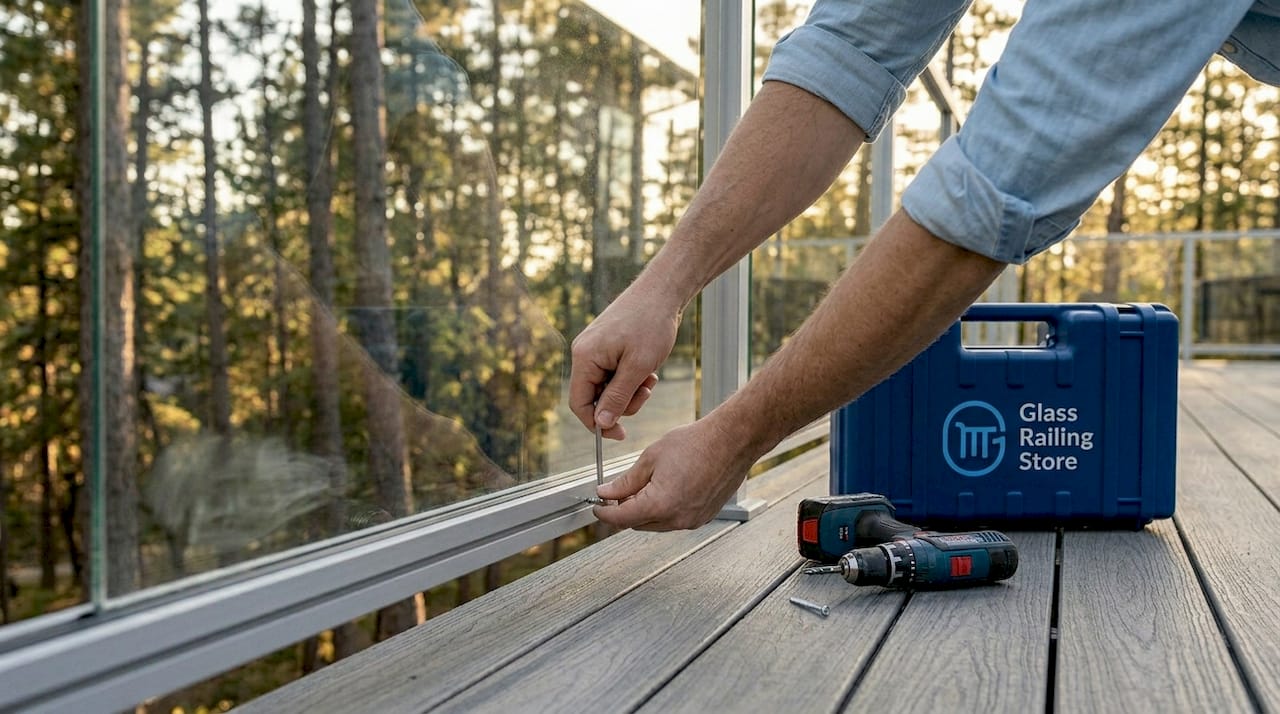
Framed glass railings use aluminum or steel channels along the top, bottom, and sometimes sides of each panel. The frame carries a portion of the structural load, which can allow for slightly thinner glass. They are easier to install on irregular surfaces and tend to cost less per linear foot. The visual tradeoff is visible framing lines, which some homeowners find too industrial and others find perfectly appropriate for contemporary or commercial builds.
Hybrid and cable railing styles occupy a different aesthetic category entirely. The modern farmhouse style, for example, combines wood posts with slim black stainless steel cable railing for preserved views and strong visual contrast, using marine-grade hardware for safety and durability. This look is warm where glass tends to feel cool, and it suits homes with natural wood cladding or board-and-batten siding.
Material choices in every category affect long-term cost as much as upfront price. Powder-coated aluminum frames are lightweight and corrosion-resistant but can fade in extreme UV. Raw stainless requires polishing to maintain appearance in salt air. For glass railing codes compliance, the material of the hardware often carries as much scrutiny as the glass itself.
Pro Tip: If you are comparing glass railing examples online and a photo does not list the glass thickness, hardware grade, or base shoe specification, that listing is showing you aesthetics, not a system. Always get the full spec sheet.
Here is a quick overview of each style’s ideal application:
- Frameless glass: Ocean-view decks, rooftop terraces, luxury residential builds
- Framed glass: Commercial properties, budget-conscious projects, irregular deck geometries
- Cable railing: Rustic, farmhouse, or transitional home styles where warmth matters as much as the view
- Composite/mixed material: High-traffic areas needing impact resistance plus low maintenance
Comparison of framed vs. frameless glass railing systems
Now that we have outlined styles, here is how framed and frameless systems compare across the factors that actually affect your decision.
| Factor | Framed glass railing | Frameless glass railing |
|---|---|---|
| Cost | Lower, typically $150-$250 per linear foot installed | Higher, typically $250-$500+ per linear foot installed |
| Installation complexity | Moderate, suitable for experienced DIYers | High, typically requires professional installers |
| Glass thickness required | 3/8 inch common | 1/2 inch or thicker typical |
| Visual impact | Clean but with visible frame lines | Pure transparency, luxury look |
| Structural strength | Frame distributes load effectively | Relies on base shoe engineering and glass strength |
| Maintenance | Frame channels can trap debris and moisture | Simpler to clean, fewer crevices |
| Best environment | Commercial, budget residential | Premium residential, coastal view properties |
Framed vs. frameless comparisons in 2026 market trend reports confirm that framed systems are cost-effective with strong structural support and easier installation, while frameless systems deliver luxury and seamless aesthetics but require precision engineering. The practical implication: if your deck is simple and flat, frameless is achievable and worth the investment. If you have a complex deck shape with multiple angles and level changes, framed systems give the installer more flexibility.
The key points to weigh before deciding:
- Frameless systems have fewer parts but each part must be precisely placed. One base shoe installed off-level throws the whole panel alignment.
- Framed systems tolerate minor installation imprecision better but require frame seams to be sealed properly to prevent water intrusion.
- In marine environments, frameless systems with fully exposed stainless hardware are actually easier to rinse clean than framed systems where salt can accumulate in channels.
- Check your local glass railing safety standards before settling on either system, as some jurisdictions have specific load requirements that affect which style qualifies.
Safety and maintenance checklists for glass deck railings
Understanding product options is vital, but equally important is how you verify safety compliance and keep these railings performing over time.
Salt air and marine exposure accelerate deterioration of lower-grade metals and finishes, so material selection and ongoing maintenance for hardware, anchors, and fasteners are critical for both longevity and compliance. This is not just a coastal homeowner concern. Any deck exposed to rain, temperature cycling, and UV needs a real maintenance plan.
Pre-installation compliance checklist:
- Confirm glazing is certified tempered or laminated safety glass with visible etched certification marks on each panel.
- Verify the system has documented ICC or local code approval, not just a marketing claim.
- Check that hardware is 316 stainless steel or equivalent marine-rated material if your deck has any water or salt air exposure.
- Confirm railing height meets your jurisdiction’s minimum (36 inches for decks under 30 inches above grade; 42 inches for higher elevations in most U.S. codes).
- Review structural attachment specifications to ensure your deck framing can handle the required lateral load transfer.
Ongoing maintenance checklist:
- Inspect all glass panels every six months for chips, edge cracks, or stress fractures. A hairline crack at the edge of a tempered panel can propagate.
- Clean hardware with fresh water and a mild detergent monthly in coastal areas, quarterly inland.
- Check all fasteners and set screws for signs of rust or loosening. Tighten or replace any hardware showing corrosion.
- Clear drainage channels in base shoes or framed posts to prevent standing water.
- Keep records of any modifications, permits pulled, and inspection dates. This documentation matters when you sell or refinance.
Pro Tip: If your glass railing is more than five years old and you have never had the base shoe fasteners inspected, schedule a structural check before next season. Hardware failure in glass railings is almost always a fastener issue, not a glass issue.
A glass railing that looks perfect from twenty feet away can have compromised anchoring hardware at the base. Compliance is not something you see. It is something you verify.
For detailed guidance on ensuring railing compliance with U.S. building codes, reviewing jurisdiction-specific load and glazing requirements before installation will save you from costly retrofits.
Why verifying compliance is as crucial as aesthetics when selecting deck railings
Most buyers shopping for deck railings spend 80 percent of their time on appearance and 20 percent on specifications. That ratio should probably be reversed, especially in marine or elevated environments where structural failure has real consequences.
Here is the uncomfortable truth: railings can look compliant based on appearance alone, but verifying safety glazing and test documentation reframes examples from purely aesthetic inspiration into risk-managed procurement decisions. A beautiful frameless glass railing installed with hardware rated only for interior use, or with glass panels that lack certification marks, may not fail for years. But when it does, you own the liability.
The design inspiration cycle on platforms like Pinterest and Instagram accelerates this problem. Images circulate without technical context. A photo of a stunning oceanfront frameless railing might show a system installed with uncertified hardware by a contractor who has since gone out of business. You have no way to know from the photo alone.
What changes the outcome is treating every example of deck railings you find as a starting point for questions, not a finished answer. Ask: what glass is that, what base shoe system holds it, who manufactured the hardware, and does it carry documentation? If the answer is “I am not sure,” that is your cue to dig further or find a system where those answers are readily available.
This is especially critical for developers who build spec homes. A railing that passes a visual inspection during listing but fails a code audit during a buyer’s due diligence can delay or kill a transaction. Proper glass railing compliance verification is not a bureaucratic checkbox. It is what makes the difference between a railing that protects people and a liability sitting on your deck.
The checklist approach is not about being overly cautious. It is about knowing exactly what you have, being able to prove it, and protecting the people who use the space you built.
Explore certified glass railing solutions for your deck project
Ready to move from inspiration to a verified, code-compliant installation? At The Glass Railing Store, we specialize in glass railing systems that are tested, documented, and built for real-world conditions including coastal environments and elevated decks.

Our engineering testing services provide the load documentation and certification data your local building department requires. Our glass railing building code guides break down jurisdiction-specific requirements so you know exactly what your project needs before you order. And when you are ready to install, our network of certified glass railing installers ensures the system goes in correctly the first time. From tempered panels to marine-grade 316 stainless hardware, everything we offer is built to meet the standards that keep your family and your investment protected.
FAQs
1. What types of glass are used in safe glass railings?
Safe glass railings use tempered or laminated safety glass governed by ICC and local building standards. Tempered glass is stronger and breaks safely, while laminated glass holds together on impact, making both suitable for guards and railings depending on the application.
2. Are frameless glass railings suitable for all outdoor decks?
Frameless systems offer luxury and unobstructed views but require precision engineering and professional installation to meet building codes. They are best suited to high-end residential builds and ocean-view properties where the investment matches the visual payoff.
3. How often should glass railings be inspected and maintained?
Inspect glass railings every six months in coastal areas and at least annually in lower-exposure environments. Salt air accelerates deterioration of hardware and fasteners, so maintenance frequency should match the material grade and exposure level of your specific installation.
4. What is the modern farmhouse style in deck railings?
Modern farmhouse combines wood posts with cable railing in slim black stainless steel to preserve views while adding rustic warmth and industrial contrast. It is a popular choice for transitional homes where all-glass railings feel too minimalist.
5. Why is verifying building code compliance important for deck railings?
Appearance alone cannot confirm compliance for any railing system. Verifying safety glazing certifications and documented approvals protects against structural liability, failed permit inspections, and costly retrofits during property sales or refinancing.