

Why glass barriers beat wood and metal for outdoor safety
Glass barriers have a reputation problem. Most people assume they’re fragile, high-maintenance showpieces reserved for luxury homes with ocean views. That assumption is wrong, and it’s costing homeowners and contractors better outdoor spaces. Modern tempered glass barriers are engineered to outperform wood, metal, and cable alternatives in safety, longevity, and visual impact. Whether you’re designing a pool fence, a rooftop deck, or a residential balcony, understanding what glass actually delivers will change how you plan your next project.
Table of Contents
- What makes glass barriers unique outdoors?
- Comparing glass barriers to wood, metal, and cable alternatives
- When glass barriers make the most sense
- Caring for and maintaining outdoor glass barriers
- The real reason glass barriers are rising in popularity
- Ready to design your space with glass?
- Frequently asked questions
Key Takeaways
| Point | Details |
|---|---|
| Enhanced safety | Tempered glass panels offer excellent strength and security for outdoor barriers. |
| Clear, modern views | Glass maintains open sight lines, making spaces feel larger and more connected. |
| Maintenance trade-offs | Glass requires regular cleaning to look its best, especially outdoors. |
| Design flexibility | Glass barriers suit a range of spaces from decks to pools, enhancing both homes and businesses. |
What makes glass barriers unique outdoors?
Glass barriers do something no other material does: they disappear. Not literally, of course, but visually. A well-installed glass panel lets you see straight through to the yard, the water, the skyline, or the garden beyond. Wood fences block everything. Metal railings chop up your view into sections. Glass keeps the scene intact while still doing the job of a safety barrier.
That transparency matters more than most people realize. For pool areas, it means you can watch children from across the patio without moving. For decks with scenic views, it means you paid for that mountain or ocean backdrop and you actually get to see it. For commercial rooftop spaces, it means guests feel open and elevated rather than boxed in.
Here’s what sets outdoor glass barriers apart from every other option:
- Full, unobstructed sight lines in every direction
- Tempered glass strength that resists impact, wind pressure, and weather
- Modern, upscale appearance that elevates any residential or commercial property
- Versatility across decks, pool fences, balconies, stairs, and storefronts
- Compliance-ready options for building codes and pool safety regulations
Pro Tip: Not all glass panels are equal. Always look for tempered or laminated safety glass that’s certified for outdoor structural use. Standard glass is not rated for railing or barrier applications and should never be used outdoors.
One real trade-off worth knowing upfront: glass shows fingerprints, smudges, and environmental grime more visibly than wood or metal. In coastal or high-dust areas, cleaning becomes a more frequent task. If low maintenance is your top priority, that’s a factor worth weighing honestly before you commit.
“Glass barriers reward proactive owners. The payoff in aesthetics and safety is real, but so is the cleaning commitment in dirty or salty environments.”
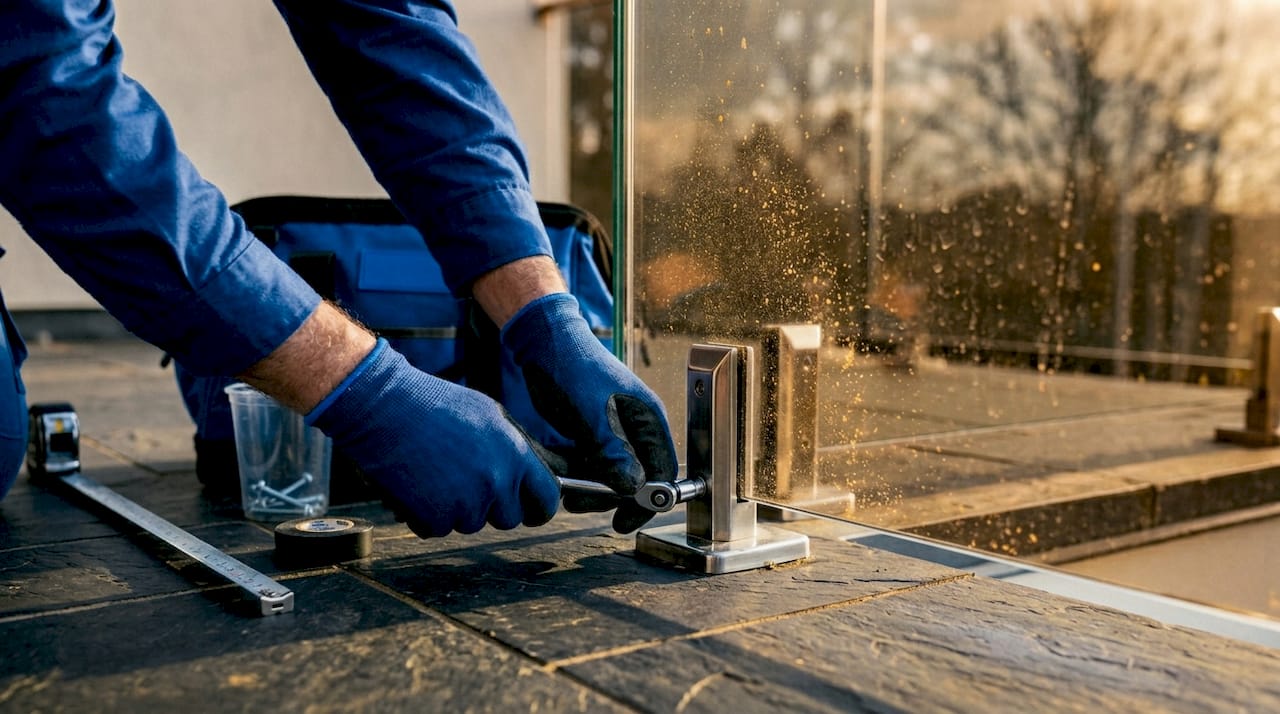
Learning how to install glass railing correctly from the start also reduces long-term upkeep, since proper installation prevents gaps where dirt and moisture accumulate.
Comparing glass barriers to wood, metal, and cable alternatives
Understanding glass features, it’s helpful to see how it measures up against other common choices. Every barrier material comes with its own set of strengths, weaknesses, and long-term cost considerations. Here’s an honest side-by-side look.
| Feature | Glass | Wood | Metal | Cable |
|---|---|---|---|---|
| Visibility | Full, unobstructed | Blocked | Partially blocked | Mostly open |
| Lifespan | 20+ years | 10-15 years | 15-25 years | 15-20 years |
| Maintenance | Regular cleaning | Staining, sealing | Rust prevention | Tension checks |
| Safety rating | Very high (tempered) | Moderate | High | Moderate |
| Upfront cost | Higher | Lower | Moderate | Moderate |
| Curb appeal | Premium, modern | Traditional | Industrial | Minimalist |
| Code compliance | Excellent | Varies | Varies | Varies |
Wood is the most affordable starting point, but it demands consistent sealing, staining, and eventual board replacement. In wet climates, wood barriers can warp, rot, or splinter within a few years without regular treatment. Metal railings, particularly aluminum and steel, hold up well structurally but require rust-prevention coatings and periodic repainting to stay sharp. Cable systems offer clean lines and good visibility but need regular tension adjustments and can corrode in saltwater environments.
For routine upkeep across all barrier types, here’s a realistic picture of what each demands annually:
- Glass: Wipe down panels every one to two weeks with a squeegee and mild cleaner. Schedule professional cleaning two to four times per year in coastal or high-traffic areas.
- Wood: Sand, seal, and re-stain every one to two years. Inspect for rot, warping, or insect damage each spring.
- Metal: Check for rust spots annually. Touch up paint or protective coatings as needed. Inspect fasteners for corrosion.
- Cable: Re-tension cables every six to twelve months. Inspect end fittings and turnbuckles for corrosion or wear.
Pro Tip: In high-dirt or coastal areas, routine glass cleaning is non-negotiable. Budget for it the same way you’d budget for wood staining or metal repainting. It’s not extra work; it’s just different work.
One honest cost note: professional glass cleaning runs $100 to $200 per visit, which adds up if you need it quarterly. Cable and metal alternatives generally cost less to maintain annually, so your total cost of ownership depends heavily on your environment and how often you want to clean.
When glass barriers make the most sense
While comparisons help, here’s when and where glass performs best in real-world installations. The material isn’t universally perfect, but in the right context, nothing else comes close.
Glass is the clear winner in these situations:
- Scenic properties: If your backyard, rooftop, or balcony has a view worth preserving, glass is the only barrier that doesn’t compete with it. Mountain views, lake fronts, city skylines, and ocean vistas all benefit from frameless or semi-frameless glass panels.
- Pool enclosures: Visibility is a genuine safety requirement around pools. Glass lets adults monitor swimmers from a distance without moving to a different vantage point. Many local pool codes now specifically recognize glass barriers as compliant safety solutions.
- Play areas and yards with children or pets: The same visibility principle applies. You can see your kids or dogs from the deck without walking to the edge.
- Premium residential and commercial properties: Glass adds measurable curb appeal and perceived property value. For restaurants, hotels, and event venues, glass barriers signal quality and sophistication.
- Modern architectural designs: Contemporary homes with open-plan layouts and large windows pair naturally with frameless glass railings. The material extends the interior aesthetic outdoors.
| Application | Key benefit | Special requirement |
|---|---|---|
| Pool fence | Child and swimmer visibility | Local pool code compliance |
| Rooftop deck | Unobstructed views, wind resistance | Structural load rating |
| Residential balcony | Curb appeal, safety | Height and load code compliance |
| Commercial venue | Premium appearance, safety | Commercial-grade panels |
| Staircase railing | Modern aesthetic, light flow | Handrail integration |
Where glass makes less sense: heavy industrial areas with constant dust, properties directly on breaking surf with heavy salt spray, or any project where the owner genuinely cannot commit to regular cleaning. In those cases, a powder-coated metal or cable system may be more practical. As noted in research on glass fence benefits, glass is not ideal when low maintenance is the top priority, since the cleaning investment is real and ongoing.
Explore custom glass railing options if your project has non-standard dimensions or specific design requirements. Custom sizing is more common than most homeowners expect.
Caring for and maintaining outdoor glass barriers
Knowing when to choose glass, you’ll also need practical advice on keeping barriers in top shape over the years. The good news: maintaining glass is straightforward when you build a simple routine. The bad news: skipping that routine shows immediately.
Here’s a realistic maintenance schedule for outdoor glass barriers:
- Weekly wipe-down (high-traffic or coastal areas): Use a soft microfiber cloth or rubber squeegee with a diluted glass cleaner. Work top to bottom to avoid streaks. This takes five to ten minutes per panel run.
- Monthly deep clean: Use a mild, non-abrasive cleaner on both sides of each panel. Pay attention to the base channel or posts where grime collects. Rinse thoroughly with clean water.
- Quarterly hardware inspection: Check all mounting hardware, brackets, and connectors for corrosion, loosening, or wear. Tighten fasteners as needed. Marine-grade stainless steel hardware resists corrosion but still benefits from inspection.
- Annual professional cleaning (optional but recommended): Professional cleaners use commercial-grade tools and solutions that remove mineral deposits, hard water stains, and oxidation that regular cleaning misses.
- Post-storm check: After heavy rain, wind, or hail, inspect panels for chips, cracks, or shifted hardware. Tempered glass is tough, but impact damage should be caught early.
Pro Tip: A rubber squeegee is the single best tool for keeping glass panels streak-free. Use it after every rain and after cleaning. It takes thirty seconds and makes a visible difference.
“Glass reveals every fingerprint and water spot that other materials hide. That transparency is exactly what makes it beautiful, and it’s also why proactive cleaning matters more than reactive scrubbing.”
Professional cleaning costs $100 to $200 per visit on average nationally, so if you need quarterly service, budget $400 to $800 per year for that alone. For many homeowners, DIY weekly cleaning eliminates the need for frequent professional visits, reducing that cost to once or twice annually.
Choosing the right panels from the start also reduces long-term maintenance. Look at tempered glass panel options with smooth, coated surfaces that repel water and reduce mineral buildup. Some panels come with factory-applied hydrophobic coatings that make cleaning significantly easier.
The real reason glass barriers are rising in popularity
Here’s a perspective that most guides skip entirely: glass barriers are not trending because of Instagram or luxury home design shows. They’re trending because building codes are getting stricter, property buyers are getting more discerning, and outdoor living has fundamentally changed how people use their homes.
The real driver is lifestyle. Over the past decade, decks, patios, and balconies stopped being seasonal afterthoughts and became year-round living spaces. Homeowners are investing in outdoor kitchens, fire pits, lounge furniture, and entertainment systems. When your outdoor space functions like a room, you want it to feel like one. Glass barriers complete that transition. They provide safety without the visual weight of a traditional fence, and they let natural light flow freely rather than casting shadows across your outdoor floor.
There’s also a property value argument that most people underestimate. Real estate appraisers and buyers consistently respond positively to glass railings on decks and balconies, particularly in markets where views are a selling point. A frameless glass railing on a scenic deck doesn’t just look better; it signals that the homeowner invested in quality materials and modern design. That signal translates to dollars at resale.
Building code evolution is another factor. Modern residential codes in many jurisdictions now require specific load ratings, height minimums, and infill spacing that older wood or cable systems struggle to meet. Tempered glass panels, when properly specified and installed, meet or exceed these requirements cleanly. Contractors increasingly recommend glass not just for aesthetics but because it simplifies code compliance conversations with inspectors.
Our honest take: the maintenance conversation around glass barriers is often overblown by people who haven’t actually lived with them. Yes, glass needs cleaning. So does every other material. The difference is that dirty glass is obvious, while rotting wood or rusty metal tends to be ignored until it becomes a structural problem. Glass keeps you honest about maintenance, and that’s actually a good thing.
Explore modern outdoor glass railings to see how today’s systems are designed for real-world outdoor conditions, not just showroom displays.
Ready to design your space with glass?
You now have a clear picture of what glass barriers offer, where they shine, and what they demand. The next step is putting that knowledge to work on your actual project.

At Glass Railing Store, we make it straightforward to go from plan to installation. You can build a custom glass railing sized to your exact dimensions, or view tempered glass panels to find the right specification for your deck, pool, or balcony. If you want hands-on support, our professional glass railing installation service connects you with experienced installers who know local code requirements. Whether you’re a homeowner planning a weekend project or a contractor managing multiple sites, we have the products, resources, and support to get it done right.
FAQs
1. Is glass safe for outdoor barriers?
Yes, outdoor glass barriers use tempered glass that is extremely strong, shatter-resistant, and often exceeds building code safety standards for residential and commercial applications.
2. How much maintenance does a glass barrier require?
Glass requires regular cleaning to stay crystal clear, especially in coastal or dusty areas, and may need professional cleaning two to four times per year depending on your environment.
3. How does the cost of glass barriers compare to other materials?
Glass panels typically cost more upfront than wood or cable, but long-term durability and aesthetic value offset the initial investment, particularly when you factor in wood’s recurring staining and sealing costs.
4. Does glass work in all climates?
Glass barriers are weatherproof and handle temperature extremes well, but coastal and dusty climates require more frequent cleaning to prevent mineral buildup and maintain clarity.
Recommended
- 46" Height Tempered Glass Panel for Glass Railing – The Glass Railing Store
- 39.6" Height Tempered Glass Panel – The Glass Railing Store
- 33.6" Height Tempered Glass Panel – The Glass Railing Store
- 60" Height Tempered Glass Panel for Glass Railing – The Glass Railing Store