

Weatherproof Glass Railing Features: A Homeowner's Guide
Weatherproof glass railing features are design elements and materials engineered to withstand moisture, salt air, UV exposure, and wind loads while maintaining long-term safety and visual clarity outdoors. The industry term for this category is “weather-resistant railing systems,” and understanding what separates a genuinely durable installation from a cosmetically appealing one is the difference between a railing that lasts decades and one that corrodes within five years. The core components include tempered laminated glass panels, marine-grade stainless steel hardware, protective coatings, and engineered anchoring systems. Each element works together to protect your deck, balcony, or pool fence against whatever climate you live in.
1. Tempered laminated glass as the weatherproof foundation
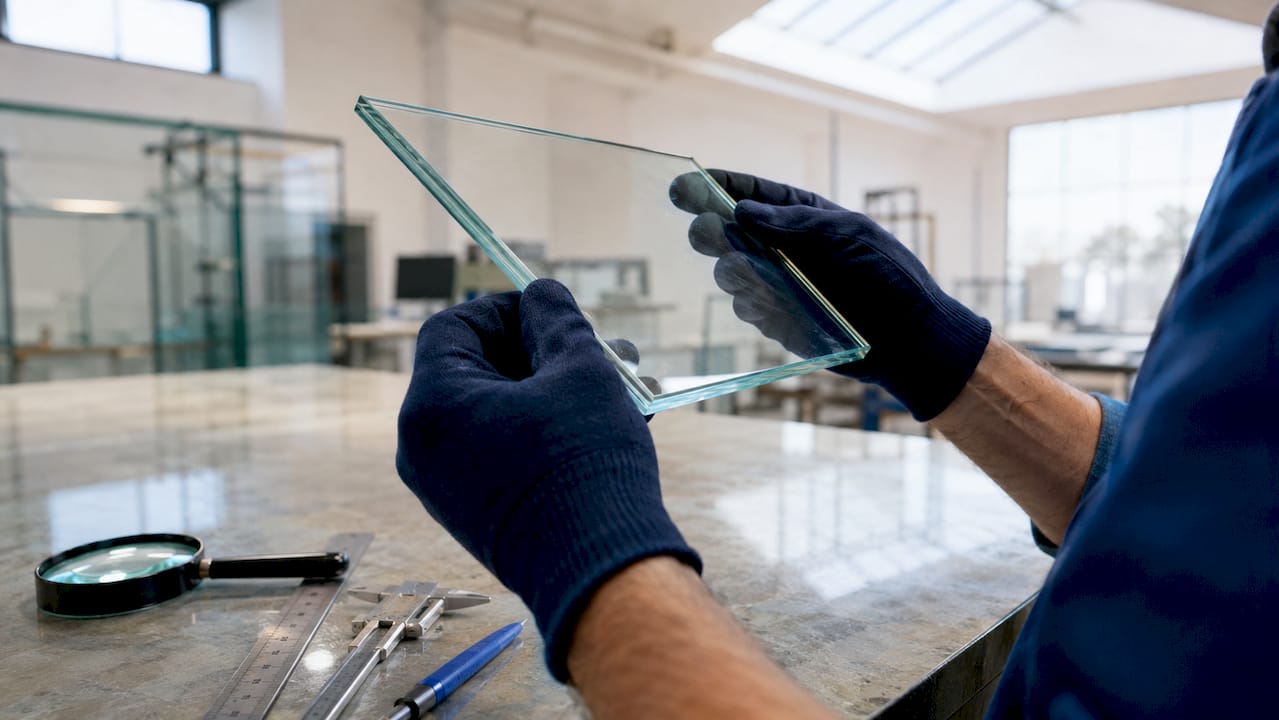
Tempered laminated glass is the correct starting point for any weather-resistant railing system. Standard tempered glass alone can shatter under impact and leave dangerous shards. Laminated glass bonds two tempered panes with a UV-stabilizing interlayer, so if the panel breaks, fragments stay bonded rather than scattering. This construction mirrors automotive windshield technology, which is why tempered laminated glass is the recognized safety standard for outdoor railings.
The UV-stabilizing interlayer does more than hold glass together. It filters ultraviolet radiation that would otherwise degrade the glass surface and cause yellowing over time. For homeowners in high-sunlight climates like Arizona or Florida, this interlayer is what keeps your railing looking new after years of direct sun exposure. Panel thickness matters too. Outdoor applications typically call for 1/2" to 3/4" laminated glass, with thicker panels required in high-wind or hurricane-prone zones.
2. Marine-grade stainless steel: the right alloy for your climate
Not all stainless steel performs equally outdoors. Grade 304 stainless steel, the most common type found in kitchen appliances, lacks the chloride resistance needed for coastal or humid environments. 316 marine-grade stainless steel adds molybdenum to its alloy composition, which blocks pitting and corrosion in salt-air climates from coastal Florida to the Pacific Northwest. This makes 316 the minimum standard for any outdoor glass railing hardware.
For properties directly on the shoreline or in hurricane-prone regions, 2205 duplex stainless steel is the stronger choice. It delivers roughly twice the yield strength of 316 and superior chloride resistance, making it cost-effective for the most demanding exposures. The 316L variant is preferred specifically at weld zones, where standard 316 can develop sensitization and become vulnerable to corrosion. Matching your alloy grade to your actual exposure level is one of the most consequential decisions you will make in this process.
Pro Tip: If your property sits within two blocks of the ocean, upgrade from 316 to 2205 duplex stainless steel for all spigots, connectors, and fasteners. The price difference is modest compared to the cost of replacing corroded hardware in five years.
3. AAMA powder coating standards and what they mean for durability
Powder coating is the primary surface protection for aluminum and steel components in glass railing systems. The Architectural Aluminum Manufacturers Association (AAMA) defines three performance tiers: AAMA 2603, AAMA 2604, and AAMA 2605. Most budget railing products ship with AAMA 2603, which is adequate for interior use but degrades quickly outdoors.
AAMA 2605 is the gold standard for architectural metal in coastal and high-UV environments. Its testing requirements are double those of AAMA 2604, covering resistance to moisture, weathering, ozone, and UV radiation, and it carries a 10-year warranty. The coating uses fluoropolymer resins, the same chemistry found in industrial non-stick and aerospace coatings, which repel moisture and resist UV breakdown far longer than standard polyester powder coats.
| Coating tier | UV resistance | Warranty | Best use case |
|---|---|---|---|
| AAMA 2603 | Low | 1 year | Interior only |
| AAMA 2604 | Moderate | 5 years | Sheltered outdoor |
| AAMA 2605 | High | 10 years | Coastal, high-UV, exposed outdoor |
Pro Tip: Always ask your supplier which AAMA tier the powder coating meets before purchasing. A product labeled “powder coated” without a specification tier almost always means AAMA 2603, which is not suitable for outdoor glass railing hardware.
4. Spigot design and structural anchoring for wind resistance
Spigots are the load-bearing connectors that clamp glass panels to the deck or floor structure. In a frameless glass railing system, they carry the entire structural load of the panel, including lateral wind pressure. Marine-grade stainless steel spigots that bolt directly into the structural substrate transfer dynamic wind loads into the building frame rather than relying on surface adhesion alone.
Core-drilled and structurally anchored spigots distribute wind pressure across multiple contact points on the glass panel. This multi-point clamping approach prevents stress concentration at any single point, which is the primary cause of glass cracking under wind load. For properties in coastal or high-wind zones, building code compliance requires specific load ratings that vary by state and municipality. California, Florida, and Gulf Coast states all have wind load requirements that exceed standard residential codes.
The depth and method of anchoring matter as much as the spigot material. Surface-mounted spigots on wood decking without through-bolting can pull free under hurricane-force winds. Core-drilled installations into concrete or through-bolted connections into structural framing are the correct approach for any exposed outdoor application.
5. UV protection and long-term visual clarity
Glass railing UV resistance depends on two layers of protection working together: the UV-stabilizing interlayer within the laminated glass and the UV-resistant coating on metal fittings. Without both, you will see yellowing in the glass and fading or chalking on the hardware within a few years of installation in high-sunlight climates.
The laminated interlayer acts as a UV filter, absorbing radiation before it reaches the inner glass surface. This is the same principle used in museum glass to protect artwork. For metal components, AAMA 2605 fluoropolymer coatings resist UV degradation at the molecular level, which is why they retain color and gloss far longer than standard powder coats. In desert climates like Nevada or New Mexico, where UV index values regularly exceed 10, this coating tier is not optional. It is the only coating that performs reliably over a 10-year horizon.
Regular freshwater rinsing removes salt deposits and airborne pollutants that accelerate UV-related surface degradation on both glass and metal. A monthly rinse with a garden hose is sufficient for most climates. Coastal properties benefit from weekly rinsing during summer months when salt spray is heaviest.
6. Electropolished and mirror-polished surfaces for low maintenance
Surface finish on stainless steel hardware directly affects how much maintenance your railing requires. Rough or brushed finishes have microscopic surface irregularities where salt crystals, mineral deposits, and biological growth accumulate. Electropolished and mirror-polished spigot surfaces reduce these microscopic anchor points, so salt and debris rinse away more easily and service intervals stretch significantly.
Electropolishing is an electrochemical process that removes the outermost layer of metal, leaving a microscopically smooth surface with an enhanced passive oxide layer. This passive layer is what gives stainless steel its corrosion resistance, and electropolishing makes it thicker and more uniform than standard mill finishing. For coastal properties, electropolished hardware can extend the time between deep cleaning from weeks to months.
Drainage design in connectors and fasteners is the other low-maintenance feature most homeowners overlook. Adjustable connectors designed to block water ingress into hollow tubes prevent freeze-thaw damage in northern climates and eliminate standing water that accelerates corrosion in any climate. This is particularly relevant for properties in the Northeast and Pacific Northwest, where freeze-thaw cycles can crack poorly drained hardware within a single winter.
Pro Tip: When inspecting a glass railing system before purchase, check whether the spigots and connectors have drainage channels or weep holes. Hardware without drainage is a liability in any climate that sees rain, snow, or condensation.
7. System-level corrosion resistance: avoiding weak points
A glass railing is only as corrosion-resistant as its weakest component. Homeowners often focus on the visible spigots and glass panels while overlooking fasteners, washers, and mounting bolts. One carbon steel bolt in a marine-grade stainless steel assembly will corrode first and can stain the surrounding hardware through galvanic corrosion, a process where dissimilar metals accelerate each other’s deterioration when in contact in a wet environment.
Matched corrosion-resistant systems yield longer maintenance-free service life than mixed-material assemblies. Every fastener, washer, and anchor bolt should match the alloy grade of the primary hardware. This is a detail that distinguishes a professionally specified installation from a DIY assembly that looks identical on day one but diverges sharply in year three. Glassrailingstore’s premium glass railing guide covers this system-level thinking in detail for homeowners planning their first installation.
Key takeaways
Weatherproof glass railing performance depends on matching every material and coating to your specific climate exposure, from glass type and alloy grade to coating tier and drainage design.
| Point | Details |
|---|---|
| Glass type matters | Use tempered laminated glass with UV-stabilizing interlayers for outdoor safety and clarity. |
| Match alloy to exposure | Use 316 stainless steel for inland coastal areas; upgrade to 2205 duplex for direct shoreline properties. |
| Specify AAMA 2605 coatings | Only AAMA 2605 fluoropolymer coatings provide 10-year UV and corrosion resistance for outdoor hardware. |
| Anchor spigots structurally | Core-drilled or through-bolted spigots distribute wind loads correctly and meet coastal building codes. |
| Treat the system, not just parts | Every fastener and washer must match the primary alloy grade to prevent galvanic corrosion failures. |
Why I always start with the hardware, not the glass
Most homeowners shopping for glass railings focus on the panels first. The glass is what you see, so that instinct makes sense. But after reviewing dozens of railing installations across coastal and inland properties, the failures I see most often trace back to hardware decisions, not glass quality. A corroded spigot or a degraded powder coat on a connector does more damage to a railing’s long-term performance than almost any glass specification error.
The material science here is not complicated, but it does require deliberate choices. A property in coastal Maine has different needs than one in inland Colorado, and a railing system specified for one will underperform in the other. I have seen 304 stainless steel hardware on a beachfront deck in South Carolina turn orange within 18 months. The homeowner assumed “stainless” meant corrosion-proof. It does not. The alloy grade is everything.
My honest recommendation: spend the extra money on 316 or 2205 hardware and AAMA 2605 coatings upfront. The lifetime cost of a properly specified system is lower than the cost of replacing corroded hardware twice over 15 years. And the visual payoff, a railing that still looks sharp a decade after installation, is worth every dollar of the premium. The glass railing durability guide at Glassrailingstore puts this cost-versus-longevity math into clear terms for anyone doing the planning math.
— Fuanne
Shop engineering-tested weatherproof glass railing systems
Glassrailingstore carries glass railing panels, marine-grade stainless steel hardware, and connectors selected specifically for outdoor performance in demanding climates.

Every product in the catalog is backed by engineering testing documentation that covers wind load ratings, structural anchoring performance, and material certifications. If you are planning an installation in a coastal, high-UV, or freeze-thaw climate, the site’s building code resources and expert support team can help you specify the right system before you order. Browse the full selection of tempered glass panels and hardware, or request a quote for custom configurations. Free shipping applies on orders over $3,000.
FAQs
1. What glass type is best for outdoor railings?
Tempered laminated glass with a UV-stabilizing interlayer is the correct choice for outdoor railings. It retains fragments safely if broken and resists UV yellowing over time.
2. Which stainless steel grade works best near the ocean?
316 marine-grade stainless steel is the minimum for coastal properties a few blocks from the water. Properties directly on the shoreline benefit from 2205 duplex stainless steel, which offers roughly twice the yield strength and superior chloride resistance.
3. What does AAMA 2605 mean for powder-coated railing hardware?
AAMA 2605 is the highest-performance powder coating standard for architectural metal, using fluoropolymer resins to resist UV, moisture, and weathering. It carries a 10-year warranty and is the correct specification for coastal or high-UV outdoor installations.
4. How do I prevent freeze-thaw damage to glass railing connectors?
Choose connectors and spigots with drainage channels or weep holes that prevent water from pooling inside hollow hardware. Standing water that freezes and expands inside a connector can crack or deform it within a single winter season.
5. Do all railing fasteners need to match the main hardware alloy?
Yes. Mixing alloy grades creates galvanic corrosion at contact points in wet conditions, accelerating failure in the weaker metal. Every bolt, washer, and anchor should match the grade of the primary spigots and connectors for a corrosion-resistant system.
Recommended
- Defining premium glass railing systems: a homeowner’s guide – The Glass Railing Store
- DIY glass stair railing: A complete homeowner’s guide – The Glass Railing Store
- Glass railing durability: Build it right, build it to last – The Glass Railing Store
- What Is Postless Glass Railing: a Homeowner’s Guide – The Glass Railing Store