

Choosing Outdoor Glass Panels: A 2026 Homeowner's Guide
Outdoor glass panels are defined as safety-glazed barriers installed on decks, balconies, stairs, and pool fences to combine structural protection with unobstructed views. Choosing outdoor glass panels correctly means selecting the right glass type, thickness, and glass hardware before a single panel is ordered. Get these three factors wrong and you face premature failure, code violations, or a railing that looks great for one season. The industry standard materials are tempered and laminated safety glass, and the hardware that holds them matters just as much as the glass itself.
1. Choosing Outdoor Glass Panels Starts with Understanding Glass Thickness
Glass thickness is the single most consequential decision in any outdoor glass panel project. The wrong thickness creates flex, noise, and structural risk under wind load.
Standard residential deck and balcony railings use 10mm–12mm tempered glass, which balances strength, weight, and cost for most homeowners. That range covers the majority of framed and semi-frameless systems where posts and top rails share the structural load.
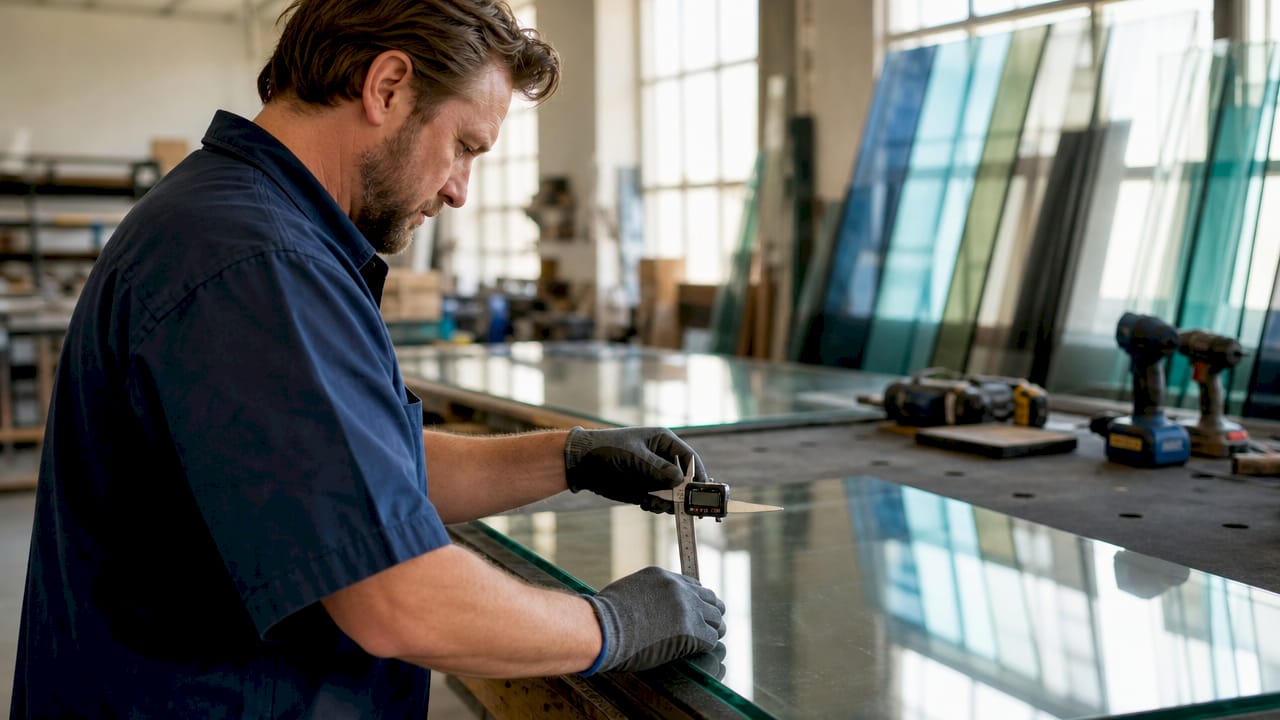
Frameless systems work differently. Without posts absorbing lateral force, the glass itself carries the load. Frameless systems require 15mm–19mm thickness to provide the structural rigidity that posts would otherwise supply. Thicker glass also delivers better wind resistance and noticeably less flex when someone leans against the panel.
Weight is the trade-off. A 19mm panel is significantly heavier than a 10mm panel of the same size. That weight affects your base hardware, your footings, and the physical effort required during outdoor glass panel installation. Always confirm your hardware is rated for the glass weight before ordering.
- 10mm: standard framed and semi-frameless residential railings
- 12mm: heavier-duty framed systems and moderate wind zones
- 15mm–19mm: frameless systems requiring glass as the primary structural element
Pro Tip: Measure your post spacing before selecting thickness. Wider spans between posts demand thicker glass to prevent flex at the panel’s center.
2. Tempered vs. Laminated Glass: Which Type Fits Your Project
The glass type determines how a panel behaves under stress, and the difference matters most when something goes wrong.
Tempered glass is heat-treated to increase strength, and when it breaks, it shatters into small, relatively harmless pieces rather than large shards. That property makes it the standard choice for most residential deck and stair railings where impact risk is moderate.
Laminated glass bonds two or more glass layers with a plastic interlayer, typically polyvinyl butyral. When broken, the interlayer holds the pieces together. Balconies and terraces often require laminated glass because it resists high wind pressure better and keeps the panel intact even after impact. That matters on upper floors where a shattered panel creates a fall hazard.
- Tempered glass: best for ground-level decks, stairs, and pool fences with moderate impact exposure
- Laminated glass: best for elevated balconies, high-wind zones, and areas where panel integrity after breakage is critical
- Laminated tempered: both layers are tempered before laminating, combining the strength of tempered with the hold-together safety of laminated
Pro Tip: Check your local building code before choosing. Some jurisdictions mandate laminated glass for balconies above a certain height, regardless of your personal preference.
Local building code requirements specify minimum glazing standards for outdoor railings. Compliance is not optional, and the code often dictates your glass type before aesthetics enter the conversation.
3. How Environmental Conditions Shape Your Glass Panel Selection
The environment where your panels live determines how long they last. A panel that performs well in a dry inland climate can fail quickly in a coastal or high-humidity setting.
Moisture, salt spray, UV exposure, and temperature swings all degrade glass systems over time. The glass itself is generally resistant, but the hardware holding it is not. Stainless steel hardware offers superior corrosion resistance compared to aluminum in coastal or wet environments. That difference in hardware lifespan can mean the gap between a 5-year replacement cycle and a 20-year installation.
Experienced installers point out that replacing glass without addressing root causes of failure, such as poor drainage or incompatible materials, guarantees the same problem returns. This is the most overlooked factor in any glass panel buying guide. The glass is rarely the first thing to fail. The hardware, sealant, and drainage design fail first.
- Assess your climate zone: coastal, humid, dry, or freeze-thaw cycling
- Select hardware material accordingly: marine-grade stainless steel for coastal, standard stainless for inland
- Check drainage design: water must exit the base channel without pooling
- Inspect sealant compatibility: silicone sealants must be rated for UV and temperature range
- Plan for thermal expansion: glass expands and contracts, and the mounting system must accommodate movement
UV exposure also affects tinted and coated glass options. Some tints fade or delaminate under prolonged direct sun. Confirm that any tinted or coated panel carries a UV stability rating before purchasing for a south-facing installation.
4. Style and Design Options for Outdoor Glass Panels
Safety and aesthetics are not competing priorities. The right glass system delivers both, and the design choices you make affect how your outdoor space looks every day.
Frameless systems offer a sleek, minimalist appearance but require thicker glass and specialized hardware. Framed systems are more affordable and structurally forgiving, but visible posts and rails reduce the open sightline effect. Semi-frameless systems split the difference, using posts at intervals while leaving the glass face unobstructed.
Glass clarity is the next design variable. Standard clear tempered glass has a slight green tint from iron content in the glass. Low-iron glass eliminates that tint and produces a crystal-clear appearance that reads as more premium, especially against white or light-colored structures. The difference is visible side by side and worth the cost upgrade for high-visibility installations.
Modern glass options include tinted, frosted, and patterned panels for homeowners who want partial privacy without sacrificing light. Frosted glass works well for pool fences where you want to screen changing areas. Tinted panels reduce glare on west-facing decks.
Proper edge finishing, whether polished or beveled, protects users from sharp edges and prevents chip damage at the panel perimeter over time. A polished edge on a frameless panel also reads as a deliberate design choice rather than a raw cut. Hardware finish ties the whole system together. Brushed stainless steel suits modern and industrial aesthetics. Matte black hardware works well with dark wood decking and contemporary architecture.
5. Hardware Compatibility and What Most Homeowners Miss
Glass panels do not perform in isolation. The connectors, base channels, and top rails determine whether the system holds up under real-world load.
Hardware compatibility means the mounting system is rated for the glass weight, thickness, and panel dimensions you select. A 90-degree connector designed for 12mm glass will not grip a 15mm panel correctly, creating movement and long-term stress fractures at the mounting point. Always match hardware specifications to glass specifications before ordering either component.
Base channel design also affects drainage. Channels that trap water accelerate corrosion at the glass edge and degrade sealant faster. Look for channels with weep holes or open-bottom designs that allow water to exit freely. This single detail extends system life considerably in rainy climates.
Top rail selection affects both safety and aesthetics. A square caprail with straight connectors provides a clean, modern finish and doubles as a handgrip. Confirm that your top rail system meets the American building code graspability requirements for your application.
6. Reading and Meeting Local Building Codes
Building codes are not bureaucratic obstacles. They encode decades of failure data into minimum safety requirements that protect you and your family.
Building codes specify minimum safety glazing requirements and thickness for outdoor glass railings. Those requirements vary by state, municipality, and application type. A pool fence has different code requirements than a second-story balcony railing, even on the same property.
The International Building Code and International Residential Code set baseline standards, but local amendments frequently raise those minimums. Pulling a permit before installation is the fastest way to confirm what your jurisdiction requires. Skipping the permit creates liability if the railing fails and insurance denies the claim.
Careful balancing of budget, performance, and design goals produces the best outcome in any glass panel project. Code compliance is the floor, not the ceiling. Meeting code means your installation is legal. Exceeding code in thickness and hardware quality means your installation lasts.
Key Takeaways
Selecting the right outdoor glass panels requires matching glass type, thickness, hardware, and environmental conditions to your specific project before purchasing anything.
| Point | Details |
|---|---|
| Match thickness to system type | Framed systems use 10mm–12mm glass; frameless systems need 15mm–19mm for structural support. |
| Choose glass type by risk level | Tempered suits ground-level decks; laminated is required for elevated balconies and high-wind zones. |
| Hardware material determines lifespan | Marine-grade stainless steel outperforms aluminum in coastal and high-moisture environments. |
| Address root causes before replacing | Poor drainage and incompatible materials cause repeated failure regardless of glass quality. |
| Verify local code before ordering | Building codes set minimum glazing and thickness requirements that vary by application and jurisdiction. |
What I’ve Learned from Watching Homeowners Get This Wrong
The most common mistake I see is homeowners treating glass panel selection as a purely visual decision. They pick frameless because it looks great in photos, order the minimum thickness to save money, and then wonder why the panels flex and rattle after one winter.
The second mistake is hardware afterthought. Homeowners spend hours comparing glass options and then grab the cheapest base channel available. That channel rusts, the sealant fails, and water gets under the glass edge. The glass is fine. Everything holding it is not.
The third mistake, and the one that costs the most to fix, is skipping the code check. A railing installed without a permit that fails inspection requires removal and reinstallation. The glass cost is the smallest part of that bill.
My honest advice: start with your local code, work backward to the minimum compliant specification, and then upgrade from there based on your environment and aesthetic goals. That sequence prevents expensive reversals. Budget constraints are real, but the order of decisions matters more than the budget itself.
— Fuanne
Glass Panels from Glassrailingstore, Built for Real Outdoor Conditions
Glassrailingstore carries tempered glass panels engineered for residential and commercial outdoor applications, including the 46" tempered glass panel designed specifically for deck and balcony railing systems. Every panel is paired with marine-grade stainless steel hardware built to handle moisture, UV, and temperature cycling without corroding.
For homeowners who want confidence before they build, Glassrailingstore offers glass railing engineering testing to verify that your planned system meets load and safety requirements. The product catalog covers frameless, semi-frameless, and framed systems with full hardware compatibility guides, so you order the right components the first time.
FAQs
1. What glass thickness is standard for outdoor deck railings?
The standard thickness for residential deck railings is 10mm–12mm tempered glass for framed and semi-frameless systems. Frameless systems require 15mm–19mm glass because the panel carries the structural load without post support.
2. Is tempered or laminated glass better for outdoor use?
Tempered glass suits most ground-level and low-risk applications. Laminated glass is the better choice for elevated balconies, high-wind zones, and anywhere panel integrity after breakage is a safety priority.
3. Do outdoor glass panels need to meet building codes?
Building codes specify minimum glazing requirements and thickness for all outdoor glass railings. Requirements vary by state and application type, so checking local code before ordering is the correct first step.
4. What hardware material lasts longest in coastal environments?
Marine-grade stainless steel outperforms aluminum in coastal and high-moisture environments. Stainless steel resists salt spray corrosion significantly better, extending the system’s service life.
5. How do I choose between frameless and framed glass panel systems?
Frameless systems deliver a cleaner sightline but require thicker glass and specialized hardware, raising the total cost. Framed systems cost less and tolerate standard glass thickness, but visible posts and rails reduce the open-view effect.
Recommended
- How Glass Improves Views: A Homeowner’s Guide – The Glass Railing Store
- Explaining Exterior Glass Barriers: A Homeowner’s Guide – The Glass Railing Store
- Weatherproof Glass Railing Features: A Homeowner’s Guide – The Glass Railing Store
- Staircase Glass Panel Fitting Guide for DIYers – The Glass Railing Store